
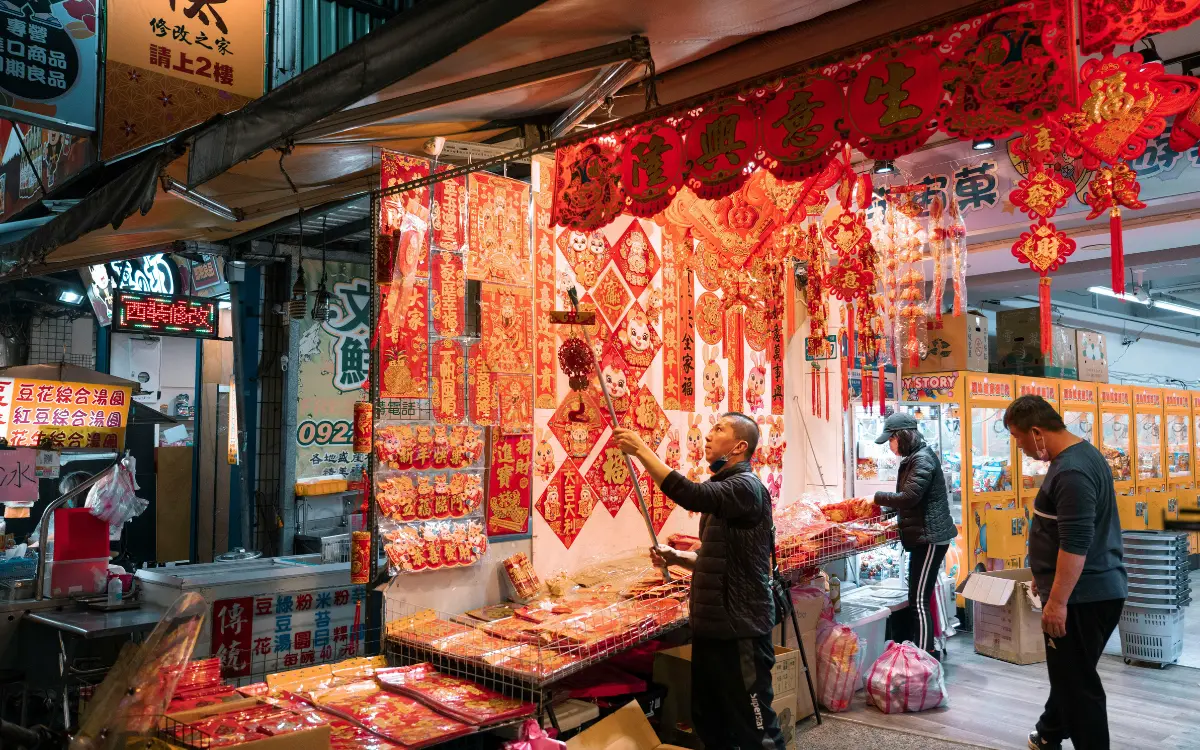
Visual merchandising is more than just decorating in retail spaces. It turns out to be a strategic tool to draw customers, improve their shopping experiences, and increase sales. To all visual elements in a store, from the window display to product placement and lighting, everything in a retail space is designed in such a way that it would influence buying behaviour. To explore these techniques in depth, the British Academy for Training and Development offers a comprehensive course in selling strategies in retail stores designed for modern retail needs. This guide will run the reader through everything about visual merchandising, including its tips and techniques alongside the types that it could offer both physical and online stores.
Recognition of the principles of understanding visual merchandising will prove invaluable whether you are a retail store owner, merchandiser, or just someone interested in or looking for retail strategies because it will help you create an environment that will convince browsers to become buyers.
What is visual merchandising?
Visual merchandising is the process of organising, arranging, and designing product displays both in-store and online to present products as favourably as possible to attract customers, enabling retailers to increase sales. It can be done by showing and telling through an attractive approach what a product looks like best, as well as its features, benefits, and use. The purpose of visual merchandising in a retail context is to bring customers in-store, increase interaction and sales, and create an unforgettable experience.
It is good to have basic data about your store and your website so you can know what products are successful, slow movers, and what products customers are buying together frequently. Most modern POS systems will allow you to formulate and quickly export those reports. From there, you can utilise those analytics for visual merchandising and adapt your store according to the customer journey.
What are the principles of visual merchandising?
Key principles of visual merchandising are:
1. Balance and harmony in displays
Achieving the balance and harmony of product displays and presentations is essential to good visual merchandising. Sticking to these principles not only makes perusal easier and keeps the in-store ambiance coherent but also prevents customers from being overwhelmed by many products or confronted with too many purchasing decisions.
Balance means having an equal distribution of visual weights of the objects used in a display. If the visual merchandiser wishes to promote a tastefully stable feeling, they make an arrangement that is symmetrically balanced with objects of similar weight. However, an asymmetrical arrangement of items, in which the products have dissimilar visual weights, can be a useful tool for creating a more dynamic picture.
Harmony is simply a way of saying that all the elements of design within the display work together, and really work; a visual merchandiser is quite good at bringing together items of complementary colour, shape, and size that combine to create a satisfying visual rhythm to achieve this cohesive and natural impression.
2. Use of colour, lighting, and texture
By means of colour, lighting, and textures, the visual merchandiser can create different perceptions of products and the store itself. Colour can arouse emotions in the shoppers' minds, while bold patterns are the most common in drawing attention. When colour is applied dramatically, it can lure customers into buying a certain product, change the way the place feels, and also determine a buyer's mood and buying behaviour.
This is the main function of lighting: illuminating products, setting moods, and enhancing the atmosphere of the store. Ambient light creates a general atmosphere of cosiness and warmth while spotlighting a few specific items, drawing attention to selected goods or promotional offers.
Whether it is enhancing an exhibit or creating a warmer setting within, texture adds depth to arrangements of merchandise while offering tactile appeal. With so much on offer at those interesting textures, its use is effective in attracting tourists to engage.
3. Placement of products effectively
Product placement is the shared and strategic location of products within a retail space or within the display to ensure the timely attention of customers. A simple rule of thumb is to place high-demand, seasonal items at eye level so they are hardly missed and institute it with similar complementary, related, or relevant ones grouped together for cross-selling and great impulse purchases. New products should best be placed at the entrance of the store, while smaller and cheaper ones are placed close to checkout counters to prevent unnecessary spending by consumers just before they pay up.
4. Focal points and storytelling
Focal point means a point of attraction in a display of products. Some visual merchandisers may use one element, one main focal point, or one sign with large letters to create a focal point. Others may use many components, such as colour, lighting, textures, and props, to attract the eye of customers who may not even stop to look.
Storytelling is a good technique to encourage customers to relate to products or services. This can make the shopping experience more relatable to customers by creating narrative space or displaying a theme which reflects a customer’s experience by creating the space that customer could aspire to.
For example, consider the experience of a display of a swimwear collection featuring a complete nautical theme with a scene of boats being the backdrops. Conversely, the display of a seasonal sale of a product could tell a story of a beautiful warm evening: some soft lighting, a few woven textiles, traditional furniture maybe, and of course with your merchandise right in the front. Both focal points and storytelling create an immersive shopping experience for customers, adding inspiration and desire.
Types of visual merchandising
Below are the 5 most common types of retail visual merchandising:
1. Point of sale displays
In the numerous applications and methods that may be employed to help customers outwardly in making purchases and other things of choice, the POS display is one of them. This can be any point in the store that drives the attention of the customers while underscoring themes or promotions. For example, when designing POS displays for furniture and home wares, the layout should allow customers to visualise how they set up similar products in their homes. I mean, this would instantaneously convert wandering shoppers into real buyers.
Mannequins are primarily used by fashion retailers, as they allow a preview of how their garments look on the body and are an indispensable merchandising tool. For clothing stores, mannequins may keep passive shoppers engaged and certainly sway a shopper's mind on an impulse.
2. Interactive displays
Touchscreen technology engages customers in any kind of branding screen and allows them interactive learning abilities with products. For example, fashion retailers such as Rebecca Minkoff and home goods retailers such as Wayfair have AR applications so that customers can choose a design and see how it looks in real time in the room.
3. Window displays
Windows displays highlight the help and interest of customers from the window driving into a retail space to learn about your products better than you have in store. Windows displays can be used in many ways to communicate messages, values about new products, and promotions.
4. Store layout
Store layouts help take the customers on a journey using specific techniques to stimulate purchase behaviour. For example, it is important to have a decompression zone – a larger space, between 5 to 15 feet, for customers walking into the store to look around and take stock of what they can see.
5. Seasonal displays
Many retailers use seasonal displays to tell stories during holiday seasons like Christmas, summer holiday, or Valentine’s Day, etc. An example is, while entering the store, I will create an altogether beach theme for the store as customers settle in to book their summer vacation or showcase the winter product lines with colder weather approaching.
Top visual merchandising tips and techniques
We’ve got the visual merchandising best practices for engaging customers at every stage of their in-store journey.
1. Keep product displays fresh.
A shabby or out-of-date product display communication produces a negative response with store visitors of a brand and its products. Therefore, visual merchandisers should always be changing product displays to demonstrate what’s current, new products received, or any seasonal promotions. When a display is fresh, new and interesting, your store can be a dynamic and inviting environment for your customers and be an incentive for them to come back again and again.
2. Stay aware of retail and consumer trends.
By regularly monitoring a store's sales data and exploring retail and consumer trends, a visual merchandiser can better create appealing product displays that are appealing to today's consumers. Using trendy and modern technologies and aesthetics in your product displays are just two options a retailer can have to have a significant advantage over their competitor.
3. Use related product displays.
A large percentage of retail sales rely on cross-selling and impulse purchases. For this reason, grouping related products together is important. When related products are merchandised together, this gives space context, encourages customers to use products in new ways and helps them discover new products they would not have otherwise known about. Think about creating a scene with multiple products telling a story; customers will likely feel inspired to buy more than they had possibly intended to recreate a similar example.
4. Appeal to all five senses.
While the convenience of shopping online is undeniable, physical stores can entice a crowd of customers into stores because they create an experience that cannot be replicated in a digital space. By integrating various sensory aspects into a store's layout and displays, such as scents, sounds, textures, and visuals, businesses can create an experience that engages customers on multiple levels. Doing this thoughtfully and in combination with effective storytelling can help create emotional connections between customers and a brand, as well as enhance the overall experience.