
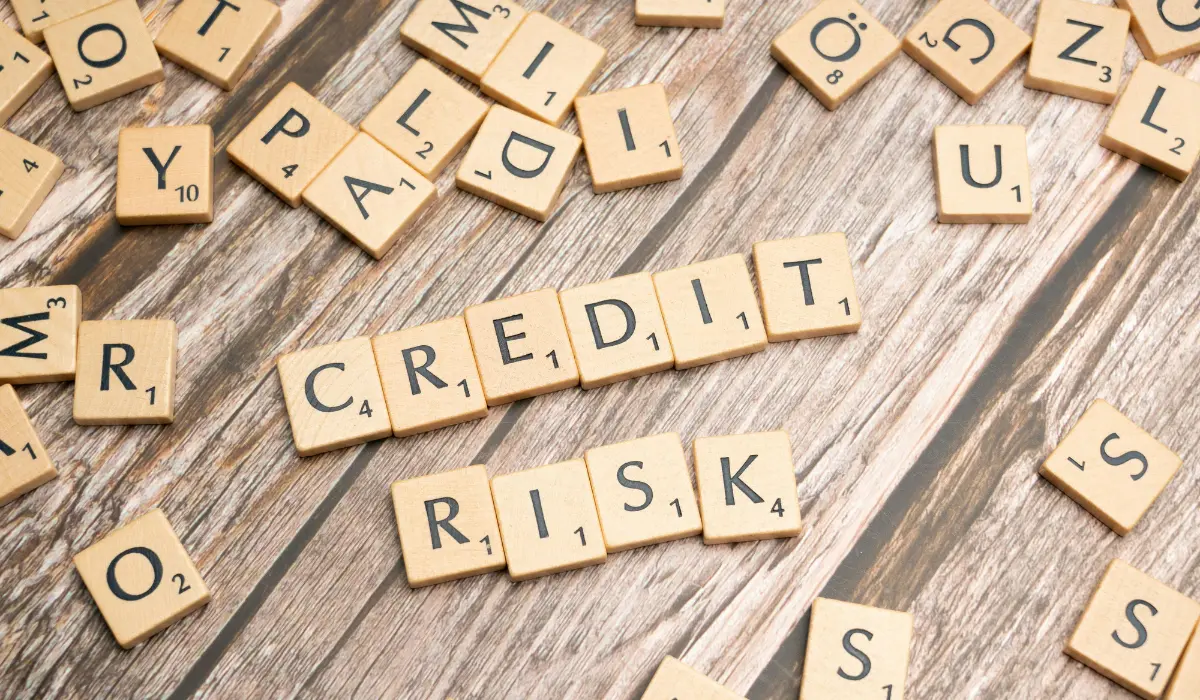
Everywhere in life, personally, professionally, or in an organisation, risk cannot simply be avoided. These risks can appear uninvited if not handled right. This is where risk management comes into play. It prepares persons and organisations for the uncertainty that life holds in the future. But what is risk management? What is the importance of risk management? What are the different types of risk management? Here is a more detailed explanation of this topic.
What is risk management?
Risk management is a cycle of identifying, analysing, and assessing risks and controlling those risks by any means. The risk can be related to finance, operations, safety, legal matters, cybersecurity, health, or reputation. It is a structured way of thinking that imparts a discipline into decision-making about uncertain situations by individuals and businesses. Risk management basically means not avoiding all risks the world puts on our heads. We may call this illogical, but we need to identify risks worth taking and decide upon an efficient plan of action to handle their impact.
Why is risk management important?
The British Academy for Training and Development offers the Importance of Risk Management in Investment Companies Course to understand the importance of risk management. Further importance is discussed below:
Minimising Future: Risk management is useful in hindering or lowering future unexpected loss.
Enhances the Reputation: Organisations and individuals that handle risks effectively create reliable expectations in their stakeholders. A strong risk management system reveals professionalism, responsibility, and preparedness, all of which contribute towards building that reputation.
Better Planning: When risks are anticipated and handled properly, the planning of such a process becomes very real and doable. No matter if the risk is associated with launching a new product, investing his money, or starting a business, it is fair to say that risk management enhances the chances of success.
Ensures Compliance with the Law: Many regulatory requirements within the various industries mandate formalised risk management processes. The punishment of noncompliance could lead to legal fines or licence withdrawal. Risk management guarantees that an organisation operates within the confines of the law.
Offers Protection to People: Risk management plays a big role in ensuring the safety of human beings. Preventing accidents and saving lives depends on identifying hazards ahead of time, such as in hospitals, factories, or construction sites.
Steps of risk management
Five main steps of risk management are:
Risk Identification: The first step is to identify what could go wrong. In this way it involves a review of operations, past incidents, and external threats.
Risk Analysis: The next step after identifying risks is to assess how likely it is for them to happen and what will be their severity of impact.
Risk Assessment and Prioritisation: The comparison capacity will classify some risks as more important than others. This involves ranking those risks according to their likely significance.
Risk Control Measures: Based on priority, eliminate, reduce, or control the risks, including changes in processes, training the staff, or investing in safety equipment.
Monitoring and Review: Risk management is not a one-time activity. At regular intervals, the monitoring will ensure that it continues identifying new risks even before it could gain control over existing risks.
Risk management has an ever-proactive nature, incorporating continuous aggressiveness within the managerial regimes to tackle potential threats and opportunities that lead toward an organisation getting to its goals. It not only identifies risks but also assesses and controls them in protecting and maintaining the assets, reputation, and profitability of the organisation. Therefore, by continuous monitoring and strategy adjustments of these risks, an organisation can better manage hospital administrations and can manage the huge risk of increased infections. Infection control should be a primary goal of every hospital.
Types of risk management
Four types of risk management are:
1. Compliance Risk
This ensures that an organisation stays true to established laws, rules and industry regulations. A lack of compliance may lead to heavy fines or possible shutdowns. Compliance risks are common for the banking, healthcare and food industries, which involve strict laws that must be always followed.
2. Management or Reputational Risk
It may take years to build the reputation of a company and seconds to demolish it. From consumer complaints, product failures, or poor communication, reputational risk may arise. Managing such occurs through clear communication, ethical behaviour, and prompt response to crises.
3. Strategic Risk Management
There are the risks associated with the business goals and strategy of the company. For instance, if marketing research does not support newly developed products, the company will fail. Strategic risk management refers to the fact that all major decisions made within the organisation are in line with long-term business plans and forecast possible consequences.
Managing Infection Risks in Hospitals
Consider a hospital. If there is no identification mechanism for identifying infection risks at the administration level, it can affect the entire staff and patient population. By developing strong hygienic protocols, training staff, and regularly auditing, hospital administrations can manage the big infection risk. Infection control must be one of the primary goals of every hospital.
Introduction
Benefits of Risk Management:
Five key benefits of risk management are:
It encourages the confidence of the respective stakeholders through demonstrating readiness.
Enhances the accuracy of planning, forecasting, and budgeting.
Protects an organisation's reputation from avoidable losses.
Reduces anxiety and uncertainty for those making the decision.
Assists with the achievement of laws, standards, and regulations.
The Risk Management Cycle:
Identification: Spotting possible risks before they happen.
Assessment: After identification, each risk must be assessed for its potential impact and its probability of occurrence.
Control: Control alternatives must be indicated to eliminate or reduce the identified risk.
Monitoring: Monitoring and updates should be continuous.
Review: Lessons learnt from past incidents should be used to improve future responses.