
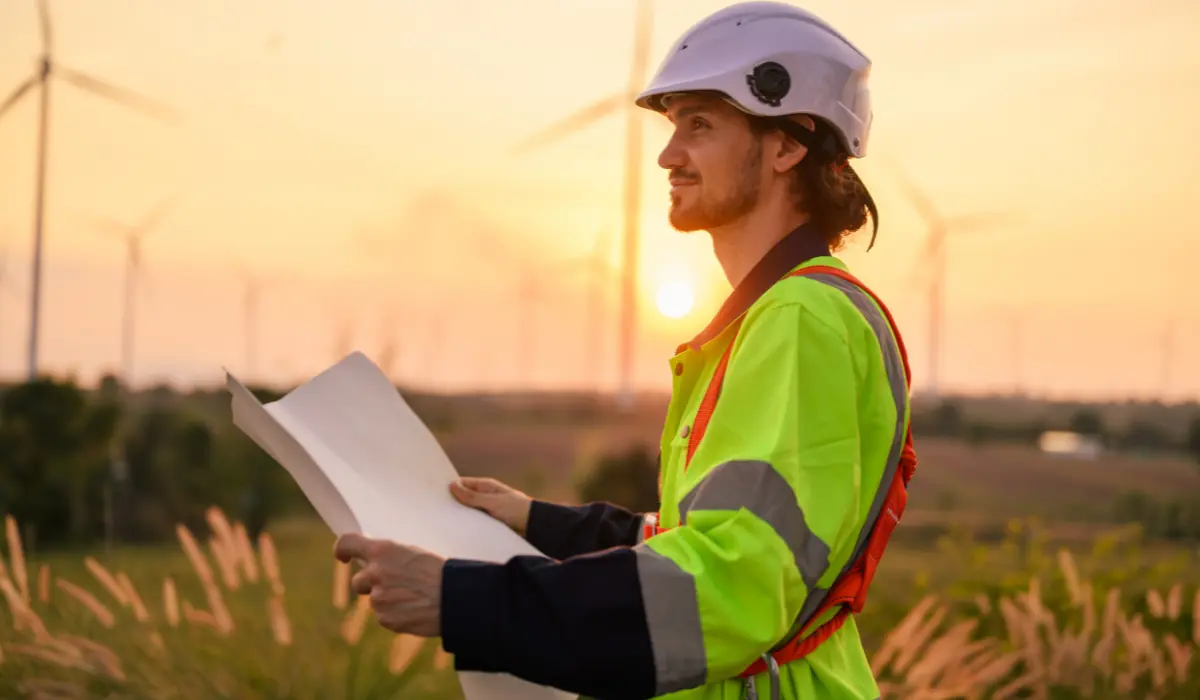
It has been an age characterized by climate change, depletion of resources, and environmental degradation which threaten the future well-being of the planet. So, sustainable engineering brings hope and light. It combines engineering practice with environmental stewardship, economic feasibility, and social responsibility in finding answers to meeting current needs without harming the latter generations. Sustainability engineering is no more of a trend but a strict necessity for fulfilling goals that help fulfill global sustainability.
Learn about the general principle of sustainable engineering by joining A training course in modern methods in sound engineering offered by British Academy for Training and Development.
Generally, sustainability in engineering is the application of engineering and sustainability principles in the designing of systems, processes, and products that are sustainable, economical, and social. This ensures human development aligns with ecological Earth boundaries.
It is environmental impact with efficiency maximized and quality of life enhanced. It considers the whole lifecycle of products and systems, from raw material extraction and manufacturing to usage and disposal.
Resource efficiency is one of the main objectives. The emphasis will be to reduce the amount of waste and use of energy through maximum natural resource optimization. It aims for environmental protection with less pollution and reduction of greenhouse gases, thus posing a threat to the ecosystem and biodiversity. Economically it should promote cost-effectiveness with an innovational approach to assure sustainable long-term finance. Last but not least, social responsibility aligned with societal needs has to be promoted along with equity and well-being for all.
The principles of sustainable engineering guide professionals in the designing and implementing of sustainable systems. It addresses designs that create long-term solutions with environmental, economic, and social elements in balance.
Lifecycle thinking has been emphasized as the backbone of engineering and sustainability. The technique ensures environmental, social, and economic impacts on the lifecycle of a product or system from its beginning to its end during its disposal. Designs should, therefore, reduce adverse impacts along its whole lifecycle.
Resource efficiency forms the core of sustainable engineering. The engineers work on the least possible use of materials and energy, thereby maximizing the outputs. Renewable resources are used, and the reuse of materials along with innovative technologies are applied to improve efficiency.
The most basic principle will involve shifting from fossil fuels towards renewable sources of energy such as solar, wind, and hydropower. This cuts down on greenhouse gas emissions by environmental systems and ensures long-term security regarding energy.
Environment-friendly designs focus on materials and processes that have minimal effects on the environment. Sustainable engineers include green technologies, which are biodegradable materials and non-toxic substances, in their projects to protect the ecosystems.
Economic viability is realized by designing cheap systems in their entire life cycle. Engineers work on cost-cutting techniques through energy efficiency, reduction of wastes, and durability over a long period to make sure that projects remain feasible in the long term.
The needs and rights of the communities can be considered within sustainable engineering. Projects are designed with the vision to enhance social well-being, provide equitable opportunities, and respect cultural values. This principle ensures that engineering solutions contribute to overall betterment.
With artificial intelligence, the Internet of Things (IoT), and 3D printing, for instance, engineers can create more sustainable solutions. It gives the ability to optimize the process with less waste and good system performance.
8. Climate Change Adaptation
Sustainable engineering is relevant in climate change adaptation. Engineers provide infrastructure and systems that are resilient enough for extreme events, a rising sea level, or any other climate-related problem.
Changing the way that we design and innovate has given birth to many sustainable principles for multiple industries.
Construction is considered one of the industries whose work towards green buildings utilizes energy-efficient systems, sustainably materialized products, and smart technologies. By reducing harmful impacts on nature, it saves operational expenses.
The area of sustainability in the manufacturing industries dominates in the areas of waste reduction, material recycling, and new technologies to achieve energy efficiency. Companies are embracing circular economy principles to extend the lifecycle of products.
Sustainable engineering in the transportation sector is one of the best sustainable engineering examples. It is achievable in the transportation area with electric and hybrid vehicles, public transport infrastructure, and walk-and-cycling infrastructure.
The energy system is being made more sustainable by the incorporation of renewable energy sources and smart grids. Engineers design systems that make maximum energy efficiency with the least possible use of non-renewable resources.
In water management, sustainable engineering ensures efficient use of water, proper treatment of wastewater, and the preservation of natural water bodies. The technologies commonly used include rainwater harvesting and desalination.
Sustainable engineering has several drawbacks. There is a high capital outlay in adopting sustainable technologies and practices. Many organizations cannot easily afford to adopt these innovations. People are less educated and not aware of sustainable engineering. Most industries also tend to be resistant to change, and this holds the progress of innovative, new sustainable solutions.
Thirdly, poor implementation policies and regulations may not stimulate motivation towards sustainability. The engineers need to overcome this too by marketing education, promoting policies, and putting out word of long-run advantages associated with sustainable engineering.
Sustainable engineering will continue to be based on innovation and cooperation. In the future, engineers will work with new technologies including AI and machine learning when optimizing systems and processes. Governments, industries, and communities will come together in a way that will result in the popularization of sustainable practices.
Other global initiatives are the setting up of the United Nations Sustainable Development Goals, SDGs. Sustainability engineering will help ensure a clean future through its practice in fulfilling the needs for clean energy, sustainable cities, and climate action goals.
Sustainable engineering is another way to ensure development stays within Earth's ecological limits. Basic principles like lifecycle thinking, resource efficiency, and social responsibility guide sustainable engineers in developing environmental, economic, and social solutions.
Sustainable engineering will become increasingly important as the world faces unprecedented environmental challenges. Join the Training course in Total Quality Engineering and learn more about sustainable engineering that can pave the way for a sustainable future.