
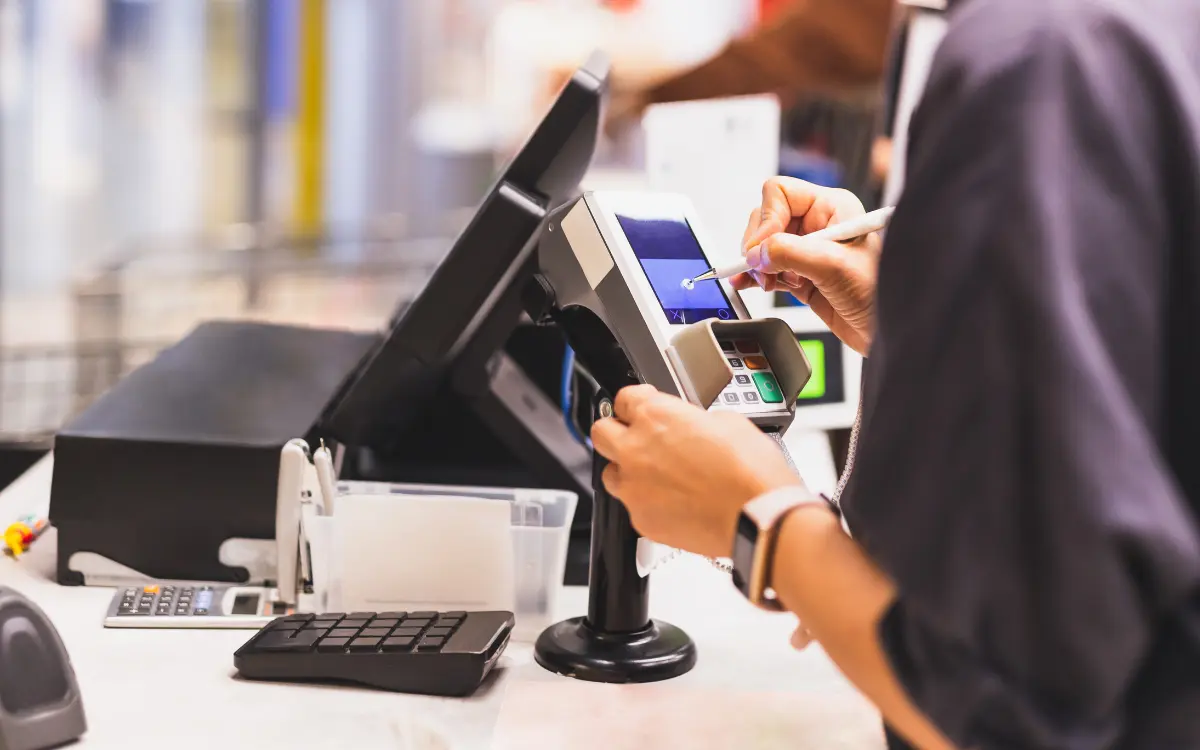
Retail sales optimisation is the process of using strategies, tools, and data to increase the efficiency and profitability of a retail business. It encompasses the enhancement of the placements as well as prices of products, customer service, marketing, and inventory control, all of which play important roles in driving higher sales performance. It takes application of real-time analytics capabilities and understanding buyer behaviour so retailers can make more informed decisions about customer-centric strategies that will help drive conversion in the short term for immediate sales and gain long-term customer loyalty.
Understand the Importance of Retail Sales Optimisation
Sales optimisation is very important for retailers competing in thrilling markets, so that warning signs make it imperative that each element of the retail process, from stock levels to staff training, all align with business goals. And an excellent example is that the right ones bring higher sales, higher customer satisfaction, and lower operational costs. Being able to react to market changes quickly and efficiently is also one of the things that would bring that.
Key Components of Retail or Sales Optimisation
Interrelated factors form the very basis of optimisation in sales for retail. Pricing, store layout, product assortment, staff efficiency, and most importantly, decision-making based on data are the key components of retail sales optimisation. All these are key essentialities, helping businesses improve their operations in terms of sales benefits. Well, this great effective optimisation will see both digital retail channels and physical interactivity.
1. Pricing Strategy and Discount Management
Dynamic pricing is an effective sales optimisation in retail. Retailers need to set competitive prices, maintaining a healthy margin. Discounting, bundling, or loyalty pricing can induce sales, but all need careful planning to avoid adverse profit effects. AI-led pricing tools now help retailers make better pricing decisions, dictated by demand coupled with competitive situations.
2. Product Placement and Merchandising
Effective product placement goes a long way in increasing the odds of customer involvement and finally a purchase. Shelf layout, in-store signage, and promotional displays can directly influence buying decisions. Retailers often use planograms which help in determining optimum product placement usage through customer traffic data. Attracting customers into the store can also be done through visual merchandising as great incentive stimulation towards purchases.
3. Inventory Management and Stock Control
The most forgotten area is retail optimisation that is known as inventory management. Whereas understocking creates sales opportunities that are lost for good. Retailers should study sales trends from the past and predict future demand to stock an optimum amount of items. An automated stock control system can help reduce human error and make stock replenishment fast and effective.
4. Training and Performance of Sales Staff
Sales staff are the face of retail. A trained and motivated sales force can change the sales conversion rate significantly. Training in customer service skills, product knowledge, and upselling techniques can improve a store's performance. Most retailers have tracking tools to monitor performance individually and collectively.
5. Customer Experience and Personalisation
A major trend in today's retail optimisation is personalising the customer experience. Retailers increasingly utilise CRM systems and customer data to give personalised offers, recommendations, and interactions. Happy customers are likely to return, while personalised experiences enhance customer satisfaction and loyalty significantly.
6. In-store Layout and Design Optimisation
The layout of a physical retail space has a direct effect on consumer behaviour. High-demand items, promotional stands, and impulse purchase zones should be strategically located to lead customers through a preplanned route. Store design should also take into account accessibility, lighting, and foot traffic trends to improve comfort and convenience.
7. Integrated multichannel retail
Integration across many channels, such as in-store, online, mobile, and social platforms, is critical to maximise retail revenue today. A consistent shopping experience across all platforms fosters repeat business and builds trust. Furthermore, enhancing retailers' knowledge of client behaviour and sales patterns is unified data collection across these contact points.
8. Use of Sales Information and Analytics
Retail sales optimisation depends on data analytics. By gathering information on footfall, conversion rates, average transaction values, and customer preferences, businesses may determine what works and what does not. Real-time, informed decisions are aided by tools including sales forecasting software, heat mapping, and POS analysis.
Benefits of Optimised Retail Sales
Retail sales optimisation involves a number of measurable benefits that ultimately help to grow a business. These benefits directly lead to more satisfied customers, higher profit margins, and more revenue. Companies that focus on optimisation first will be more capable of adapting to changes in consumer tastes, market conditions, and competitive circumstances.
Enhanced Revenue and Profit Margin: A main benefit of retail sales optimisation is the growth of revenue and profit. With optimisation, better pricing, less waste, and increased conversion allow businesses to sell more while spending less. Small improvements to sales efficiency can increase total revenue by a wide margin.
Increased inventory turnover: An optimised sales process will ensure that inventory fast movers will always be in stock while slow movers are phased out. This creates better inventory turnover. This leads to better inventory turnover ratios, decreased carrying costs, and better use of retail space. It also stops losses from spoilage or obsolescence.
Improved Client Satisfaction: Customers who return more often are those who rapidly locate what they want, get customised care, and have a flawless purchase. Retail sales optimisation seeks to enhance every consumer contact point, therefore producing a smooth and enjoyable experience that promotes loyalty. This results in excellent internet reviews.
Wise Resource Distribution: Retailers may more efficiently distribute staff, real estate, and marketing budgets by means of sales process optimisation. For example, they may use sales analysis to find the ideal time to arrange personnel or release special deals. This guarantees the greatest return on investment and prevents resource waste.
Technologies Helping Retail Sales Optimisation
Modern retail optimisation depends mostly on technology. Retailers are using smart tools ranging from artificial intelligence to machine learning to automate and improve several areas of sales and customer service.
1. Artificial Intelligence and Machine Learning
Personalisation, predictive analysis, demand forecasting, and dynamic pricing are all benefits of artificial intelligence systems. These tools constantly learn from client contacts to improve conversion rates and refine suggestions. AI is also used in chatbot assistance, facial recognition, and footfall analysis.
2. Point of Sale (POS) Systems
Modern POS systems go beyond payment handling. On sales trends, consumer preferences, and stock levels, they gather priceless data. This immediate knowledge enables merchants to change their sales plans as they go and raise operational efficiency.
3. CRM programmes
CRM systems let businesses monitor purchase history, preferences, and comments by centralising customer information. Developing solid relationships and customising the customer experience depend on these data. CRM systems also handle automated marketing campaigns, loyalty programmes, and post-sale assistance.
4. Heatmaps and Footfall Analysis
Heatmap analysis monitors consumer flow in a physical store, therefore pinpointing high-traffic areas and unattended ones. Retailers may use this information to organise products and displays for the best sales impact and exposure.
Best Practice for Retail Sales Optimisation
Retailers should use true techniques in executing sales optimisation initiatives to get the greatest results.
Make regular sales audits: regular audits enable identification of bottlenecks and focus on areas for improvement. Reviewing sales data, customer feedback, and employee performance guarantees that optimisation projects are on track. Benchmarking performance against industry standards is also helped by these audits.
Test and Experiment with Strategies: Retailers should embrace learning and experimentation, whether it be around pricing, layout or marketing campaigns. A/B tests can help inform which strategies perform best, and new learning based on testing allows retail organisations.
Support Employees: Employees are critical to sales performance, and supporting the development of your team pays in the long run. Motivate teams to engage in training sessions that relate to the normal pace of their work and reward them for sales behaviours that complement your organisation's objectives; engaged employees are more productive and more effective in converting customers into sales.
Build Customer Relationships: While short-term sales incentives may motivate some sales, the reality is that long-term growth components include customer advocacy and customer loyalty with respect to your brand. Use your data and keep it personal; send your offers at the right time, and, most importantly, continue to engage after the sale so you develop long-term customers who share a good story about your brand, provide revenue with every repeat purchase, and make a significant contribution to every future purchase.
Retail Sales Optimisation is a Modern Business
Retail sales optimisation is more than a trend. Retail sales optimisation describes the techniques that combine data and technology to provide customer-centric sales strategies to increase profits while delivering service excellence to the customer. To learn how to implement selling strategies professionally, the British Academy for Training and Development offers a comprehensive Course in Selling Strategies in Retail Stores. From inventory management, dynamic pricing, staff training, and customer relationship management, everything in the retail space is important to keep the finely tuned retail machine running efficiently and effectively.