
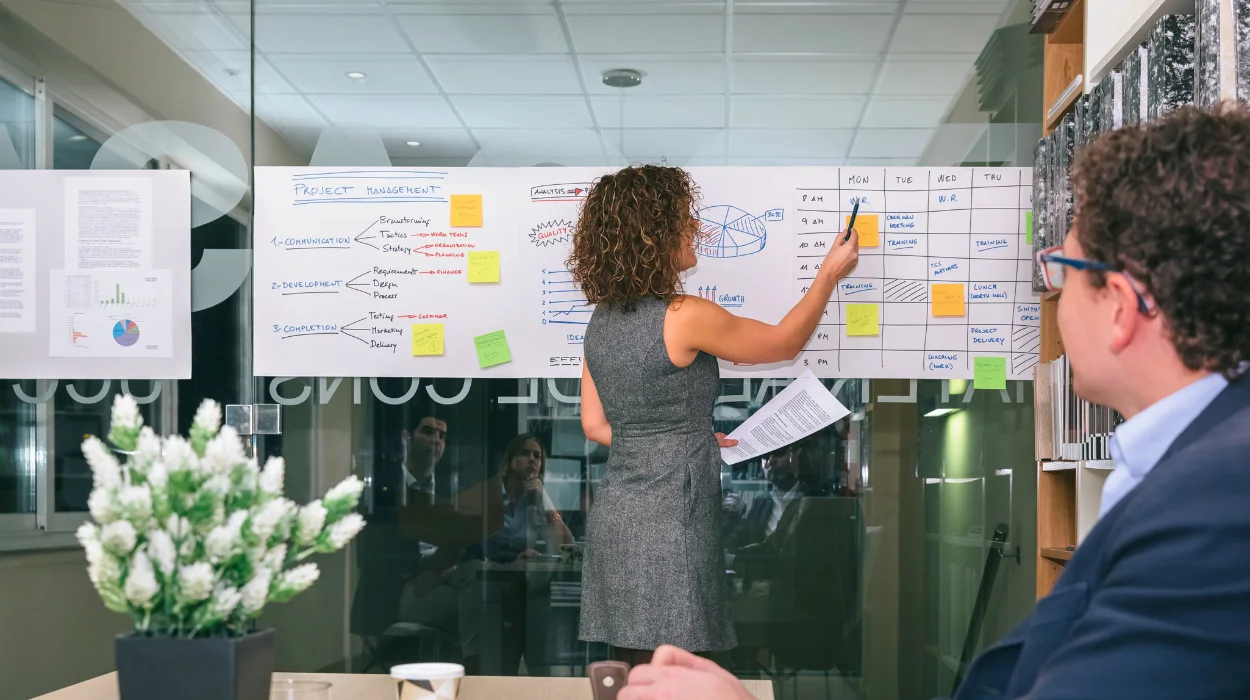
Modern project management has become a discipline of its own, going beyond traditional planning and execution to include a deep understanding of the interconnected relationships between different project elements. With increasing project complexity, multiple stakeholders, and accelerating economic and technological changes, Integrated Project Management has emerged as one of the most important concepts addressing the causes of project delays and failures.Professional experience and advanced training programs, such as those offered by the British Academy for Training and Development, indicate that project success depends not only on planning quality or team efficiency but also on the project management team’s ability to achieve integration between objectives, resources, time, cost, quality, and risk management. The absence of this integration often leads to conflicting decisions, weak coordination, and resource waste—even if the best plans are in place.Hence, Integrated Project Management gains importance as a framework that links all project processes into a single cohesive system, making the project more adaptable to changes and capable of delivering the intended value.A Comprehensive Understanding of Integration in Project ManagementIntegrated Project Management is the process aimed at coordinating and unifying all project elements and processes within a single integrated framework to ensure objectives are achieved efficiently and effectively. This concept is not limited to merging plans or documents but includes aligning decisions and management directions to serve the overall project goal.Integrated management serves as the backbone of project management, ensuring that all activities and processes operate in full harmony, rather than managing each component in isolation.The Concept and Importance of Integrated Project Management in Modern ProjectsIn modern work environments, projects no longer follow fixed paths but are exposed to continuous changes in requirements, technologies, and resources. Here, Integrated Project Management becomes essential, allowing project managers to view the project as a single interconnected unit.Its importance lies in its ability to:
Why Integrated Project Management is Critical to Project SuccessProfessional practices indicate that many projects fail not due to lack of resources but due to poor coordination among project components. Integrated Project Management helps reduce this gap by ensuring that any decision considers its impact on the entire project rather than just one part.It also improves the project’s ability to respond to risks and unexpected changes, increasing its likelihood of success.Difference Between Integrated and Traditional Project ManagementTraditional project management divides the project into independent parts, with each team working within its defined scope without a holistic view. Integrated management, on the other hand, continuously links these parts and unifies efforts to achieve a common goal. This fundamental difference makes Integrated Project Management more suitable for complex, multi-stakeholder projects.The Role of the Project Manager in Achieving IntegrationThe project manager plays a pivotal role in applying Integrated Project Management, which includes:
This role requires high-level leadership and analytical skills, as well as effective communication abilities.Integrated Project Management Processes According to Best PracticesIntegrated Project Management involves a set of processes aimed at harmonizing all project aspects, including developing the project charter, preparing the integrated project management plan, directing project execution, and managing changes.The Project Charter and Its Role in Supporting IntegrationThe project charter is the formal document granting legitimacy to the project, defining its objectives, scope, and key stakeholders. Within Integrated Project Management, the charter is prepared to ensure alignment with the organization’s strategic objectives, enhancing the project’s chance of success from the outset.Integrated Project Management Plan and Its Impact on Time, Cost, and QualityThe integrated project management plan is essential for ensuring coordination among all subsidiary plans. It unifies schedules, budgets, quality standards, and resource plans within a single framework, reducing conflicts and increasing execution efficiency.Directing and Executing the Project Within an Integrated FrameworkDuring execution, Integrated Project Management is crucial for monitoring performance and ensuring adherence to the approved plan while allowing modifications when necessary without compromising core project objectives.Change Management in Projects and Its Importance in IntegrationChange is inevitable in modern projects. Integrated management helps assess proposed changes from a holistic perspective and analyze their impact on all project aspects before making informed decisions.Integrated Project Management and Stakeholder ManagementIntegrated management improves stakeholder management by aligning expectations and enhancing communication, reducing conflicts, and increasing satisfaction with project outcomes.Integrated Project Management and Risk ManagementRisk is one of the most critical challenges in projects. Integrated management allows for comprehensive risk analysis and links potential impacts to time, cost, and quality, supporting effective preventive decision-making.Challenges in Implementing Integrated Project ManagementDespite its benefits, Integrated Project Management faces several challenges, including resistance to change, weak organizational culture, and a shortage of qualified personnel. Overcoming these challenges requires administrative support and continuous training.Integrated Project Management in the Context of Digital TransformationDigital transformation has facilitated the application of Integrated Project Management by providing technological tools that support coordination, communication, and data analysis. However, the human factor remains essential for successful integration.Why Successful Organizations Rely on Integrated Project ManagementSuccessful organizations rely on Integrated Project Management because it enables them to execute more stable projects, deliver real value, and adapt to rapid changes in business environments. This makes the concept a cornerstone of modern project management.