
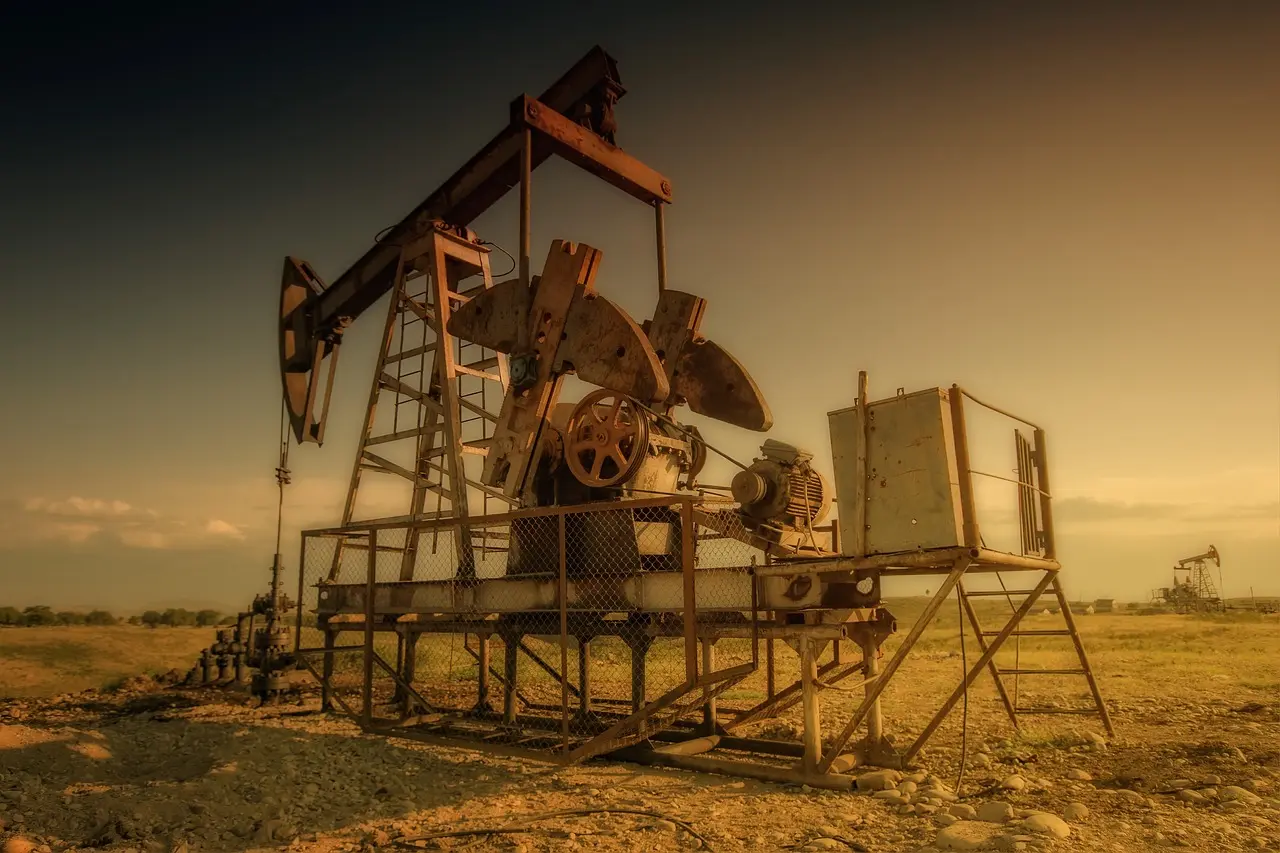
The oil and gas industry plays a multi-role in world energy production, distribution, and a wide range of career opportunities to professionals that have acquired the right skills. As this industry advances with technological changes and related environmental issues, staying relevant necessitates specialised training and certification. This is an in-depth discussion about which are the minute oil and gas courses that can put your life on an upward track in your career.
Even with this oil and gas industry that is indeed hindering the concepts of powering global economies as well as driving technology development, it is left with an increasing complexity and constantly even growing demands. Hence, the need for manpower with technical know-how and managerial skills has seen growth significantly. Therefore, specialized oil and gas industry courses are important for students aspiring to construct or develop careers in this industry. These programs do not just simply provide knowledge related to the industry but also serve lucrative job opportunities by addressing some of the key challenges facing energy firms. Elevate your career with our Advanced Management Training Programme in the Oil and Gas Industry course master strategic leadership and operational excellence today. The following reviews some of the most effective oil and gas courses available today:
This course is very good for you if you want to pursue a petroleum engineering career that will take you deep into the oil and gas industry. Such certifications offer sound knowledge of the global concepts and principles geologically and in engineering that apply to petroleum exploration. The students will be introduced to advanced concepts such as reservoir management, well design, and improved oil recovery methods.
The programs usually last from 6 to 12 months, and are thus appropriate for engineers and technical professionals aiming to strengthen their skills. The courses are often carried out alongside practical training using industry-standard tools and software for reservoir simulation and drilling operations. Stanford University and Texas A&M University have some of the top-flying certification programs through which students are trained as petroleum engineers, drilling consultants, or reservoir analysts. These graduates are prepared extremely well to deal with the challenges and problems associated with current-day petroleum extraction and production, making them valuable assets for energy companies globally.
Greek oil and gas refineries are not mere production plants; they are companies that are run with strategic planning, operational efficiency, and compliance with the legal framework. Oil and gas management programs are aimed at professionals interested in taking up managerial positions without neglecting their engineering background.
The modules encompass energy market dynamics, project supply chain management, sustainability, and environmental policies. Participants obtain insights into the global energy economy and how to transcend challenges applied by the requirements of fluctuating oil prices, and evolving regulations. These short-term certifications or master's courses are available at well-renowned universities such as Heriot-Watt University, and the University of Aberdeen. Graduates often take up the profession of project managers, operations directors, or energy consultants. They, in turn, contribute toward the strategic growth and sustainability of their organisations.
SAFETY is guaranteed in the oil and gas sector during operations exposed to very high-risk environments. HSE certification is a prerequisite for professional practitioners whose responsibility is to ensure compliance and safety in their respective workplaces. Such programs encourage risk assessment, management of hazards, and contingency planning.
Training is being given to students to spot prospective risks and enforce techniques for reducing risks in conformance to international safety standards. Certifications like NEBOSH (National Examining Body in Occupational Safety and Health) and IOSH are worldwide recognised certifications that generally take 2 to 6 months to complete. They are very useful tools for safety officers, project managers, and compliance auditors. An HSE certification enhances the safety at the workplaces, contributing higher productivity with lower operational risks.
Offshore operations are specialized and challenging in nature, requiring specific knowledge and training. It provides a broad overview of technologies and strategies for offshore exploration and production. It covers seabed engineering, asset management, and logistics in deepwater drilling.
The curriculum also encapsulates environmental and regulatory issues that are specifically integrated into marine activities and prepares professionals for the complicated world of offshore working. Through such courses, which generally range from 3 to 6 months, engineering, technician, and manager professionals working in offshore settings can easily find some specialised training. Robert Gordon University, Delft University of Technology, and others have this form of training designed to prepare graduates for roles such as offshore operations managers, marine engineers, and subsea specialists.
Natural gas is the backbone of the global energy portfolio and needs some special skills for its production and distribution. Course in natural gas technology certification deals with complete lifecycle activity dedicated to natural gas-from exploration to processing and transportation. Trainees will get familiarized with the reservoir evaluation, pipeline systems, and LNG (liquefied natural gas) operations.
It is usually 4 to 8 months long, and is meant for engineers and technicians who want to specialize in natural gas systems. Worth mentioning, institutions like Penn State University and the University of Calgary offer courses of industry relevance and prepare students for manpower roles such as natural gas engineer, pipeline manager, and LNG operations supervisor. Graduates from these programs are prepared to contribute to the efficient and sustainable utilisation of this specific resource.
These legal and contractual aspects make the oil and gas industry run smoothly without any disputes. Courses on oil and gas law encompass a plethora of topics, including international oil and gas policy, negotiating and managing contracts, and one of the essential features of the oil and gas industry concerning dispute resolution.
These courses serve individuals drafting and managing contracts or dealing with a complex regulatory environment. Taught over a period of three to six months, institutions such as the University of Dundee and the Centre for Energy, Petroleum, and Mineral Law and Policy (CEPMLP) offer these programs. Graduates of such courses eventually work as legal advisors, compliance officers, or contract managers who ensure that their organisations operate within legal and regulatory frameworks.
The specialised training in oil and gas can enhance the career growth of an individual. This kind of course is set to output the trainees' technical ability as well as his/ her skill to face some of the industry's actual challenges. Benefits from it include:
Enhanced Employability: Will differentiate you from the competitors.
Career Advancement: There are opportunities for career advancement in leadership or specialised roles in the oil and gas industry.
Global Opportunities: Create certifications respected in various countries and continents; open up international career prospects.
Training in oil and gas industry courses can really ramp up your career because it imparts the skills and know-how that would drive you in this very thriving sector. Be it specialisation in petroleum engineering, offshore operations, or health and safety management; the courses are useful to have industry-recognised certifications as they make you an able job candidate with career upliftment opportunities. The graduates are not only equipped with the technical skills but also the critical analysis of how to take care of industry challenges. Thus, through training in oil and gas, you set yourself up for a winning career which is global in nature. The British Academy for Training and Development offers a variety of oil and gas industry courses designed to enhance your career prospects and explore our programs today.