
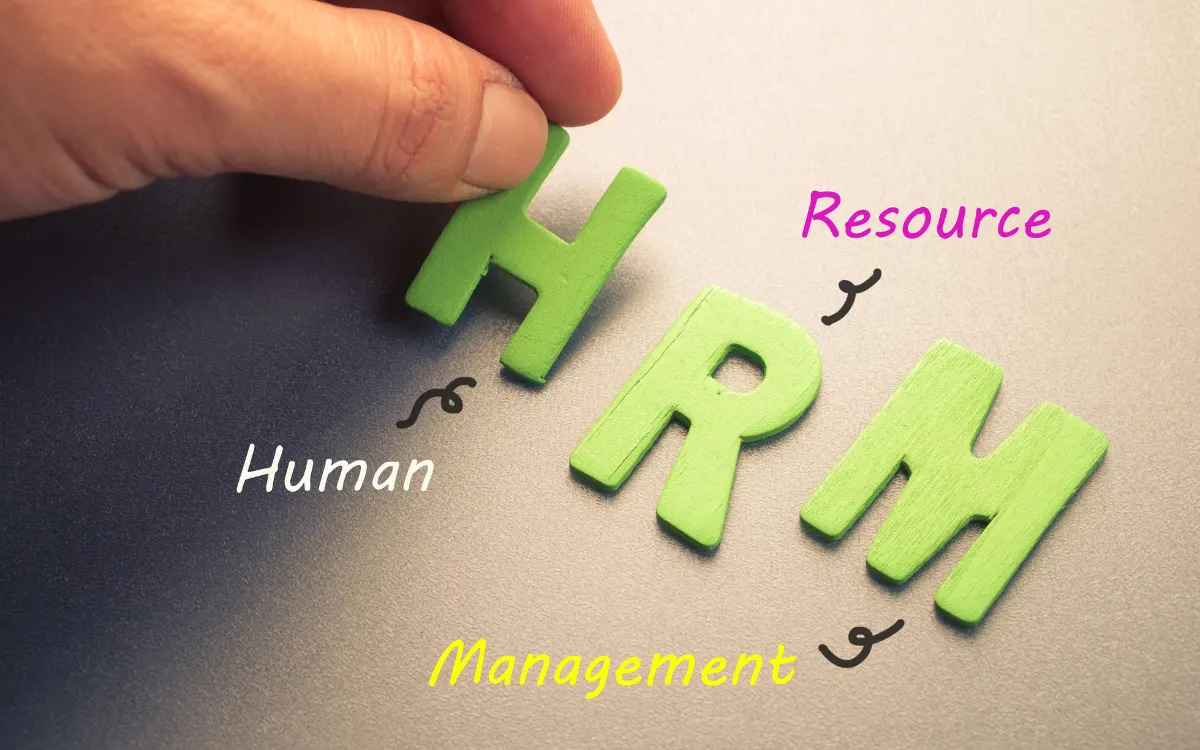
The recruitment process in human resource management is a structured method organizations use to identify, attract, assess, select, and onboard employees who match business requirements. It connects workforce planning with performance goals, skill availability, and long-term organizational growth.
The recruitment process in human resource management defines how companies build their workforce through planned hiring activities. It begins with identifying a business need and ends with integrating a qualified employee into the organization.
Recruitment is not only an HR activity. It directly affects productivity, operational efficiency, leadership continuity, and employee retention. A poor recruitment decision increases hiring costs, creates skill gaps, and affects team performance.
Organizations use recruitment frameworks to ensure hiring decisions are based on job requirements, competency standards, and measurable evaluation criteria. These frameworks support fair selection practices across industries like IT, healthcare, finance, manufacturing, and professional services.
Human resource management teams analyze workforce demands before starting recruitment. They review current employee capabilities, future business objectives, department workloads, and required technical or behavioural skills.
The recruitment process also supports learning and development decisions. When HR teams identify missing capabilities during recruitment planning, they create targeted development strategies through workshops, online modules, hybrid learning, and structured assessments.
A well-designed recruitment system creates alignment between people strategy and business strategy. It helps organizations develop stronger teams, improve productivity, and maintain a sustainable talent pipeline.
How does the recruitment process in HRM work through the 7 main stages?The recruitment process in HRM follows 7 structured stages: identifying requirements, planning recruitment, sourcing candidates, screening applications, conducting assessments, selecting employees, and completing onboarding. Each stage improves hiring accuracy and workforce alignment.
The first stage is identifying the workforce requirement. HR managers work with department leaders to understand why a position is needed. The requirement can come from business expansion, employee turnover, new projects, or changing operational demands.
During this stage, organizations define job responsibilities, required qualifications, technical abilities, and behavioural competencies. A clear job analysis prevents unsuitable hiring decisions because candidates are evaluated against specific performance expectations.
The second stage is recruitment planning. HR professionals create a recruitment strategy based on timelines, available resources, hiring budgets, and workforce priorities.
Recruitment planning includes selecting suitable sourcing channels, preparing job descriptions, defining assessment methods, and establishing evaluation criteria. Companies measure recruitment effectiveness through KPIs such as time-to-hire, cost-per-hire, applicant quality, and retention after employment.
The third stage is candidate sourcing. HR teams attract potential applicants through internal recruitment, employee referrals, professional networks, recruitment platforms, and industry-specific channels.
Effective sourcing focuses on reaching candidates with relevant skills rather than collecting large numbers of applications. Organizations with strong talent strategies use targeted approaches to reduce skill mismatches.
The fourth stage is application screening. HR professionals review candidate information against job requirements. Screening methods include resume evaluation, qualification checks, experience analysis, and initial interviews.
The fifth stage involves candidate assessment. Organizations use structured interviews, technical evaluations, work samples, simulations, and behavioural assessments to measure suitability.
Assessment methods provide evidence about candidate capabilities. They help organizations evaluate problem-solving skills, communication ability, leadership potential, and cultural alignment.
The sixth stage is employee selection. Hiring managers compare assessment results and select candidates based on defined criteria. Selection decisions require collaboration between HR teams and business departments to ensure operational needs are considered.
The seventh stage is onboarding. Onboarding introduces new employees to company processes, workplace expectations, systems, and performance objectives.
Organizations use onboarding programs to improve early productivity and employee engagement. These programs include orientation sessions, role-specific training, mentoring, compliance learning, and performance reviews.
Each recruitment stage connects with workforce development. Companies that combine recruitment practices with continuous learning create stronger employee capability systems.
What are the key components of an effective recruitment process?An effective recruitment process includes workforce planning, competency frameworks, candidate assessment tools, communication systems, onboarding methods, and performance measurement practices. These components create consistent hiring decisions based on business needs and employee capability requirements.
Workforce planning is the foundation of recruitment effectiveness. It identifies current and future staffing requirements by analysing business objectives, market conditions, and organizational priorities.
Competency frameworks define the knowledge, skills, and behaviours required for successful job performance. These frameworks help HR teams create accurate job descriptions and evaluate candidates consistently.
Candidate sourcing tools support the identification of suitable talent. Organizations use recruitment software, professional networks, career platforms, and internal talent databases to manage candidate pipelines.
Assessment tools provide structured methods for measuring candidate suitability. Common tools include competency-based interviews, technical assessments, situational judgement tests, and behavioural evaluations.
An HR personality test is one assessment method used to understand behavioural preferences, communication patterns, teamwork approaches, and decision-making styles. Organizations use these tests when behavioural alignment is important for specific roles such as leadership, customer service, sales, and team management positions.
Personality assessments do not replace professional qualifications or technical evaluations. They provide additional information that supports a complete hiring decision.
Organizations that want to understand how personality assessments support broader HR practices can explore when evaluating assessment approaches and workforce decision-making methods.
Recruitment communication systems also influence candidate experience. Clear communication about job requirements, assessment stages, and timelines improves transparency and supports professional employer practices.
Onboarding systems complete the recruitment cycle. They transform a selected candidate into an active contributor through structured learning activities and role preparation.
How do organizations implement recruitment training and improve HR capability?Organizations implement recruitment training by analysing HR skill gaps, designing practical learning programs, delivering structured sessions, and measuring improvements through recruitment performance indicators. Training improves consistency, decision quality, and workforce planning effectiveness.
Recruitment training begins with identifying HR capability gaps. Organizations review recruitment outcomes, hiring challenges, employee turnover data, and manager feedback.
Common skill gaps include ineffective interviewing techniques, unclear job analysis methods, weak candidate evaluation processes, and limited knowledge of recruitment technologies.
Learning needs analysis helps organizations design relevant training programs. HR teams receive development through workshops, online learning modules, hybrid sessions, simulations, and case-based activities.
Practical recruitment training focuses on real workplace situations. Participants analyse job descriptions, conduct mock interviews, review candidate profiles, and practice evaluation techniques.
Case-based learning allows HR professionals to study realistic recruitment challenges from industries like banking, healthcare, technology, and manufacturing.
Role play activities develop communication skills. HR professionals practice candidate interviews, feedback discussions, and stakeholder conversations with hiring managers.
Assessments measure learning outcomes. Organizations evaluate participant progress through knowledge tests, practical assignments, recruitment simulations, and workplace performance reviews.
After training implementation, businesses track measurable outcomes. Common recruitment KPIs include reduced time-to-hire, improved candidate quality, increased employee retention, and better hiring manager satisfaction.
A structured recruitment training approach creates stronger HR capabilities. It supports consistent decision-making and improves collaboration between HR departments and business leaders.
What are the benefits of improving the recruitment process for organizations?Improving recruitment processes helps organizations reduce hiring errors, close skill gaps, strengthen workforce planning, increase retention, and improve team productivity. Structured recruitment creates measurable business value through better talent decisions.
One major benefit is improved employee quality. When organizations use structured recruitment methods, they select candidates with the required skills and behaviours for specific roles.
Better hiring decisions reduce operational disruption. Employees who match job expectations require less corrective support and achieve productivity targets faster.
Recruitment improvements also reduce employee turnover. Effective selection and onboarding processes create stronger alignment between employee expectations and organizational requirements.
Organizations measure recruitment success through performance indicators such as:
Recruitment efficiency also supports leadership development. Companies identify employees with leadership potential during selection and create development pathways through coaching, mentoring, and professional training.
Strong recruitment systems improve collaboration between departments. HR teams work with managers to define requirements, evaluate candidates, and create workforce strategies based on business priorities.
The impact extends beyond hiring. Recruitment quality influences customer service, innovation capability, operational performance, and organizational stability.
Explore More Expert Insights:
What Is Compa Ratio? The HR Metric Explained with Examples
HR vs Talent Advisor: What's the Real Difference?
Which teams and industries use structured recruitment processes?Structured recruitment processes are used by HR departments, business leaders, recruitment teams, and managers across industries where employee capability directly affects operational success and business performance.
Corporate teams use recruitment frameworks when expanding departments, replacing critical roles, or building new capabilities.
HR departments manage recruitment operations by developing hiring policies, maintaining candidate pipelines, and improving selection standards.
Team leaders participate in recruitment by defining role expectations and evaluating technical or functional requirements.
Business owners use recruitment systems to ensure workforce investments support strategic objectives. They monitor hiring outcomes because employee performance directly influences business results.
Industries with complex workforce requirements rely heavily on structured recruitment practices. Examples include healthcare organizations requiring qualified professionals, technology companies requiring specialized technical skills, financial institutions requiring compliance expertise, and manufacturing companies requiring operational knowledge.
Large organizations integrate recruitment with talent management systems. These systems connect hiring, employee development, performance management, and succession planning.
Recruitment processes also support remote and hybrid work environments. Organizations evaluate digital communication skills, technology capability, and self-management behaviours when hiring for modern workplace structures.
What common recruitment problems prevent organizations from achieving better hiring results?Recruitment problems usually come from unclear requirements, inconsistent evaluation methods, limited HR capability, poor candidate assessment, and disconnected workforce planning. Organizations solve these challenges through structured processes and continuous improvement.
A common problem is hiring without accurate role definitions. When job requirements are unclear, HR teams attract unsuitable candidates and increase recruitment costs.
Another challenge is relying on informal decision-making. Personal opinions without structured assessments create inconsistent hiring outcomes.
Some organizations use generic recruitment methods for every role. Different positions require different evaluation approaches. Leadership roles require strategic thinking assessments, while technical roles require skill-based evaluations.
Another misconception is that recruitment success depends only on attracting more applicants. A large candidate pool does not guarantee quality hiring decisions.
Organizations also struggle when recruitment is separated from learning and development. Hiring employees without understanding future skill requirements creates long-term capability gaps.
Effective workforce strategies connect recruitment with employee development. HR teams analyse current capabilities, identify future requirements, and create learning pathways that support organizational goals.
Training delivery methods such as workshops, online modules, hybrid programs, simulations, and assessments help HR professionals maintain modern recruitment capabilities.
Dive Deeper Into This Topic:
HR Personality Tests: What They Measure and When to Use Them
The recruitment process in HRM is a continuous business system rather than a single hiring activity. Organizations improve results when they combine structured frameworks, practical training, measurable evaluation, and ongoing workforce analysis.