
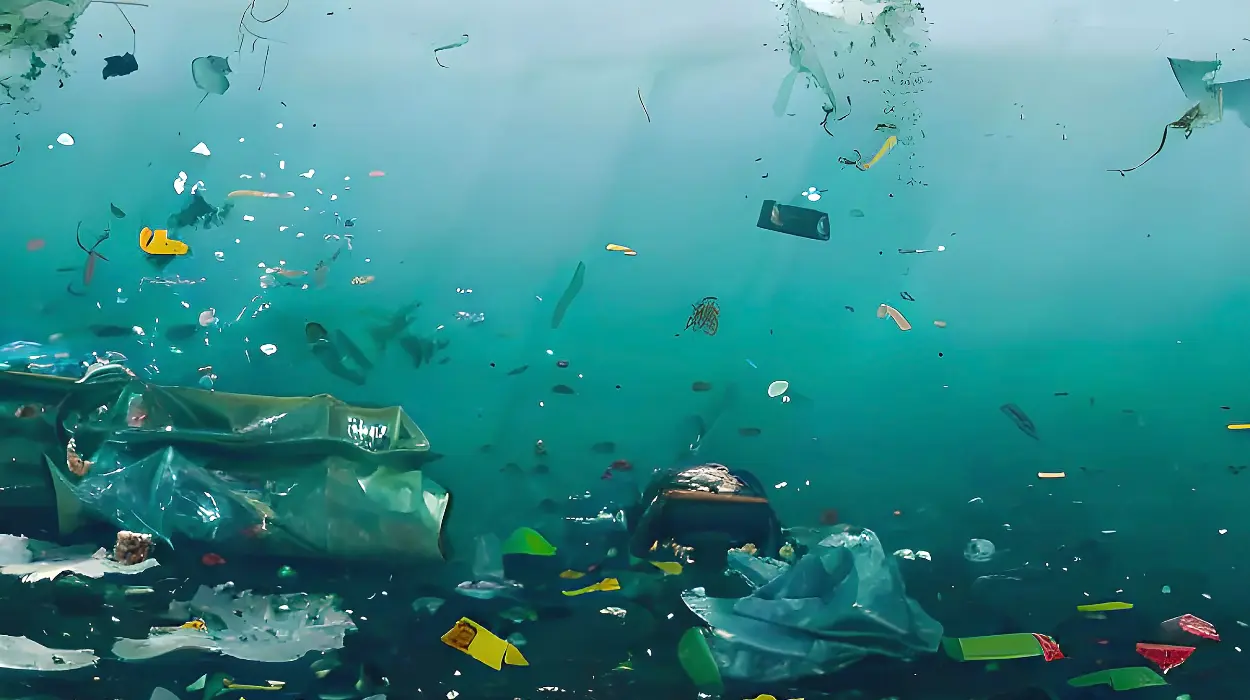
Since long, oil spills on land and at sea have come to be ranked as one of the greatest environmental risks. Oil spills occur at every point of the cycle of petroleum product production and extraction, transportation, and consumption causing extreme devastation to the ecological system and wildlife for several decades.
Oil spill effects can penetrate very deep into sensitive ecosystems, cutting across everything from marine life and coastal systems to local economies and human health. Training Course in Production Technology of Oil and Gas offered by the British Academy for Training and Development guides the impacts of oil spills and the impacts of petroleum pollution, mechanisms through which oil spills affect the environment, and the overall long-term environmental consequences of oil spills on natural systems and communities.
An oil spill is the loss of liquid petroleum to the environment, particularly the sea or freshwater systems triggered by human activities. The majority of spills result from accidents relating to oil rigs, tankers, pipelines, or storage facilities. A wide range of oils is spilled, ranging from crude oil taken directly from wells to refined products such as gasoline and diesel. From the type of petroleum, the damage caused to the environment by oil pollution is immense and irreplaceable.
Petroleum is a mixture of poisonous hydrocarbons to many living organisms. The poisonous products that make it deadly include benzene, toluene, and xylene, which have been proven to be dangerous to both aquatic animals and human beings. Chemicals from the spilled oil spread out fast on land and in the watered areas.
The ecological systems can cause immediate as well as severe effects with the oil spills. The effects are based on the magnitude of the spill and its location. Here is how petroleum environmental impact:
The most visible impact of an oil spill is on the marine ecosystem. Oceans and coastal ecosystems, ranging from beaches, mangroves, and estuaries, are the most susceptible ecosystems to oil pollution. When oil enters the sea, it spreads across its surface as a slick that can also blanket large areas.
"The oil spill has immediate effects on the marine life in several ways:
Surface-Dwelling Species: Oil Slicks Prevent Light: Most plankton need sunlight, essential to the process of photosynthesis. This reduces light availability across the water column Plankton are the base organisms of the marine food web. Plankton is the base of the diet of all other larger marine species. Disturbance of plankton can have strong cascading effects on the rest of the food web.
Birds and Marine Mammals: Birds and mammals that depend on the surface of the water or along the shorelines will be coated by the oil. The birds are the most vulnerable as the oil clumps their feathers, making it impossible for them to fly and stops the insulating properties of their feathers from keeping them warm. When the birds swallow the oil, they will try to clean themselves off parts of sand or whatever dirt there is, poisoning from the oil leads to failing organs and eventual death.
Fish and Invertebrates: Oil may choke fish by either blocking their gills or by affecting the capability of fish to breathe. The toxin oil would affect the reproductive organs of fish, thus causing interference with fertility and normal development of the offspring.
Chemicals in Coral Reefs: Even though oil spills seldom reach the point of contact with coral reefs, they remain one of the most susceptible ecosystems to the effects of altering water quality. The chemicals found in oil cause corals to bleach, and it is at that stage that they are quite susceptible to diseases.
Marshes and mangroves up to the seagrass beds are critical natural water filters that prevent shore erosion and provide habitat for countless species. Oil entering the system causes the smothering of vegetation and prevents new plant life from growing, in ways detrimental to animals that rely on these habitats.
For instance, along the coast of the Gulf of Mexico, essential flood protective coastal wetlands have long-term losses, after oil spills, that serve as a breeding ground to numerous species. The damage can take many years or decades to recover, and in other cases, it may not be reversible.
These immediate effects of oil spill disasters can really be catastrophic, but the long-term effects to the environment can be worse. When the crude is kept in the environment for a very long time after spill clean-up, it can continue to cause effects to the ecosystems.
Petroleum is fraught with different poisonous substances which could remain in the environment for a long time. Some things like polycyclic aromatic hydrocarbons pass through the food chain since some kinds of organisms that come at the bottom of the food web, such as plankton fish or shellfish absorb them. Then bigger animals consume the polluted prey, and these toxins accumulate in the tissues of those bigger animals, a process known as bioaccumulation.
The consumption of polluted food leads to very serious health problems in the top predators, such as birds, seals, and dolphins. For human beings, the health risk would also be directly posed by the consumption of seafood from the contaminated areas.
Land oil spills pollute fresh water sources as well as soil water sources for a long time. Oil penetrates the soil, making it uninhabitable because it will never regain its fertility at all. This may have a cascading effect on the whole ecosystem since herbivores will eventually die once they perish from feeding on the plants, and the killers who hunt them will also starve.
The harmful impacts of oil pollution do not only concern water bodies, which include rivers, lakes, or other watercourses. Since oil spills are composed of toxic chemicals, their inflow may render water not fit to be consumed by human beings and alter aquatic life. Once the visible expressions of oil pollution have been eradicated, its toxicity to water may endure for centuries with health implications on aquatic ecosystems.
Oil spills affect the physical environment. Beyond this, they affect other dimensions. Human populations that depend on the affected ecosystems for food, employment, and recreation are likely to be impacted as well. Effects of oil spills occur at the community level, especially for fishing industries and tourism operators.
Economic impacts occur through direct loss of income to fishing-dependent people, whose livelihoods are usually destroyed because commercial and subsistence fishers are often prevented from catching fish in polluted waters. Long-term impacts on fish populations also deprive fishers of their livelihoods for years. This has resulted in critical economic shocks to local coastal communities dependent for their livelihoods and consumption needs on seafood both for the local market and for export.
This will also affect tourism, which relies on clean beaches and active marine life. The appearance of oil slicks in the ocean and on beaches scared away the tourists, and that resulted in huge losses to the tourism sector. This will spill down to local economies as businesses in hospitality, like hotels, restaurants, and tour operators, that may close shop or experience lower incomes.
The constituents of oil-benzene and toluene have been proven to be harmful to the health of humans. More importantly, exposure to such substances may lead to breathing, skin irritation, and even more seriously, long-term health damage, for instance, cancer. Furthermore, the psychological factors that affect individuals who stay in an oil spill-impacted region are also equally severe. Stress arising from loss of livelihoods, firsthand experience of environmental degradation, and continued living in the wake of a spill can be a danger to people's mental health.
Oil spills cannot be prevented, but much has been achieved in the response efforts that have been aimed at mitigating the impact of oil spill incidents on the environment. The sooner that response and cleanup can begin, the less damage ecosystems and communities are likely to suffer.
In containment booms, oil is supposed to spread over huge areas. Containment booms can be arranged as a barrier and collect the oil there, making collection and removal easier from the top surface. Oil can be recovered by skimmers, vacuums, or absorbent material and dispersants, which break up oil faster so that degradation takes place quicker.
Bioremediation utilizes bacteria and other microorganisms, which break down and digest the oil. Such a technique has also been extensively applied in numerous success stories that help to accelerate the natural degradation of oil in the environment. Bioremediation works if the spill is not too large and environmental conditions are propitious.
Following the cleanup, there should be some form of recovery effort that would help the affected ecosystems regain their previous state. Examples include seed planting for vegetation, rebuilding of the coastal wetlands, and replenishment of fish populations. In some instances, as mentioned above, some ecosystems take hundreds of years or even more extended periods to recover from the effects of an oil spill.
Oil spills have horrific and long-term impacts on the environment. The direct effects on marine life, coastal habitats, and wildlife are rather devastating; the long-term environmental effects of oil pollution including toxic contamination and bioaccumulation, pose serious risks both to ecosystems and human health. Oil pollution generates very complicated and varied effects on the environment. Training courses in Madrid will help you to reduce damage and restore affected regions.