
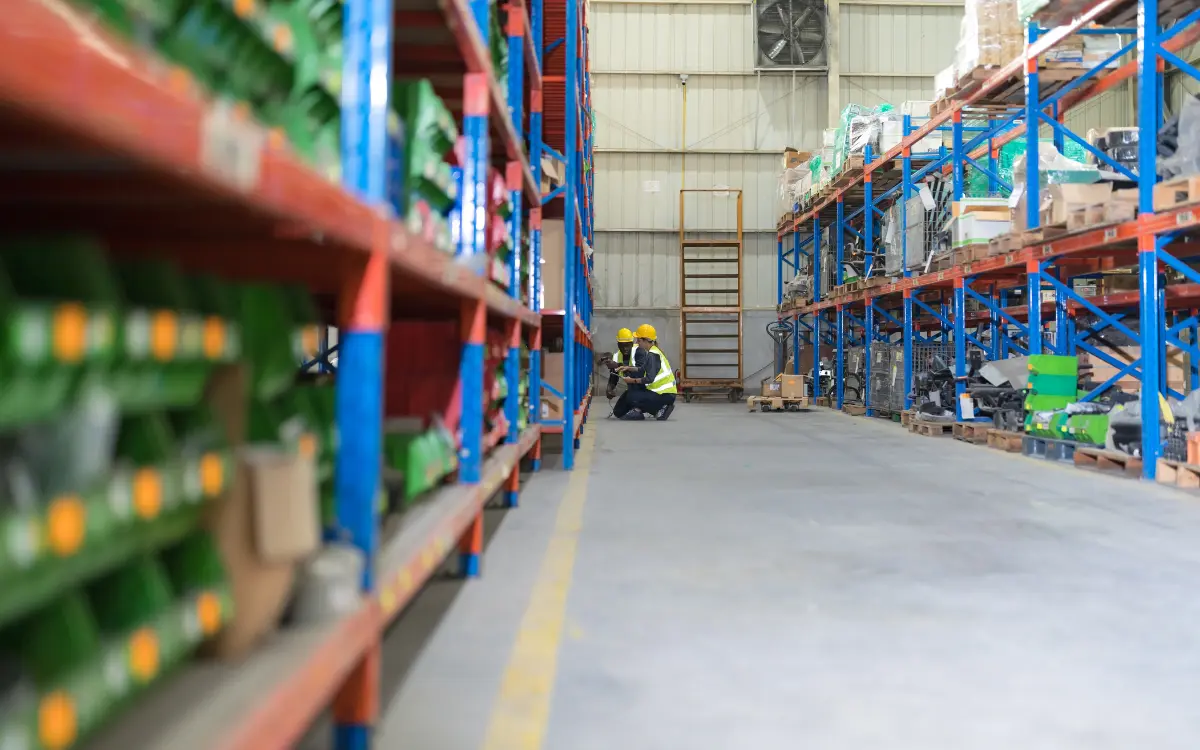
In today's highly competitive business environment, store management and stock control are crucial for today’s operational success and profitability. Efficient control over inventory not only reduces costs but also provides customer satisfaction by ensuring availability of products. Efficient store inventory control is one of the most effective ways in which businesses are positioned to adapt to changing market conditions. Training courses in Dubai can enhance your skills in effective store management and stock control.
This article aims at discussing the major concepts, significance, and tips towards the mastery of store and stock management.
Store management is the systematic approach of monitoring and overseeing operations within a store.
It covers managing inventory, ensuring effective storage of goods and maintaining a proper flow of products to satisfy consumers. In retail, store management is central in promoting profitability with efficient use of resources, minimising waste and increasing customer satisfaction.
A store manager oversees daily operations to ensure they run smoothly, and that the employees are well-coordinated, and customers have a seamless shopping experience. No matter if it is retail, manufacturing or warehousing, store management in retail is essential for operational efficiency.
Store inventory control is one of the important aspects of store management.
It includes tracking, monitoring and maintaining the right amount of stock at all times. The goal here is to make sure that goods are neither understocked nor overstocked, lowering the risk of loss and ensuring smooth operations.
Effective store inventory control makes it possible to prevent problems that include stockouts, wastage because of overstocking, and discrepancies in inventory records. When using technology and manual checks, companies are able to keep their stock perfectly aligned with the sales and operational needs.
The importance of store management cannot be overstated. Here are key reasons why it is crucial:
Optimised resource allocation: Proper management of stores can facilitate efficient use of resources such as manpower, time and space.
Minimised losses: With robust methods in place, losses from theft, damage or mismanagement leading to losses are significantly minimised.
Enhanced customer satisfaction: In store management in retail, customer loyalty and retention improve when the right products are available when needed.
Improved operational efficiency: Efficient operations minimise unnecessary delays, enhancing overall productivity.
Increased profitability: By closely monitoring costs and managing stock effectively, stores can increase their profit margins.
Stock control refers to the activities that have to be undertaken in order to manage and maintain the right inventory levels. The need for stock control arises from the following factors:
Avoiding stockouts: To make sure that customers find a product when they need them.
Preventing overstocking: Overstocking results in increased storage costs and potential wastage.
Cost reduction: Good stock control procedures lead to minimising holding and carrying costs of stocks.
Streamlined supply chain: Proper management of stock can facilitate improved forecasting of stocks and also help in maintaining good relationships with the suppliers.
Lack of proper retail stock control leads to poor revenue, late deliveries or unsatisfied customers.
Running regular audits includes performing periodic stock counts to verify that the inventory records match the physical stock. They help in exposing anomalies due to mistakes, theft or damage. It keeps the right stock levels and elevates more of the inventory systems.
First in-first out ensures that old products are sold first, thereby minimising the chance of expiry or obsolescence of products. They are especially helpful for perishable goods or items with limited life span. This method improves inventory turnover and minimises waste.
Reorder levels are predefined minimum stock thresholds that initiate the need to restock inventory. This policy ensures stock availability without overstocking. It suppresses interruptions in operations and improves customer satisfaction by maintaining supplies.
Categorising stock refers to sorting stocks in various types of categories based on criteria like demand, value or the degree of perishable stock. Hence the slow-moving items are managed to minimise holding costs while the high-priority materials get all the focus they need to ensure availability. This assists in the proper utilisation of resources and also control of inventories.
Real-time tracking of inventory stocking and movement is possible when inventory management software is adopted. Advanced tools give information concerning stock levels, trends, and reorder needs. This has the benefit of making it easier to do away with human inputs when dealing with inventory. This integration makes operations easy and also eliminates manual mistakes that are incurred in managing inventories.
Implementation of these retail stock control procedures is an effective way of maintaining the right balance between demand and supply.
Here are practical tips to ensure efficient store management:
Design your store layout with the aim of improving customers’ experience as well as improving product display. Categorise related goods together and keep aisles’ traffic clear; place popular and advertised goods at eye level or near the entrance. A well-organised layout supports purchases and enhances satisfaction among the customers.
Train staff to provide customer service exceptionally by being friendly, approachable and possessing adequate knowledge about products. Enable employees to make customer service effective and solve issues promptly. Satisfied clients are more likely to come back and recommend your store to others.
Monitor key performance indicators (KPIs) such as sales, foot traffic, and conversion rates on a daily basis. Analyse this data to identify trends that can help in the formulation of better decisions for the improvement of store operations. Constant monitoring is useful in adapting to clients’ needs and fluctuating market conditions.
Clearly define roles and responsibilities across the store staff and ensure effective communication. Provide regular training to enhance skills and to set up employees’ inspiration. A well-coordinated team improves the functionality of the store.
Utilise technology such as point-of-sale (POS) systems, customer relationship management and real-time inventory software. Their work includes billing, stock management, and customer data collection, making the management of stores easier and more accurate.
These store management tips not only contribute to the smooth flow of a store but also help increase satisfaction among customers, leading to the store's profitability.
In conclusion,
Efficient Store management and stock control are the backbone of any successful retail business operation. By implementing robust procedures, utilising technology, and focusing on customer needs, businesses can optimise operations and achieve continuous growth.
1. What are the objectives of store management?
Store management objectives include to efficiently use resources, minimise losses, increase customers’ satisfaction and ultimately increase profitability through effective operations.
2. What is the responsibility of store management?
Store management entails supervising the daily store operations, control of inventory, coordinating employees and ensuring customer’s needs are met.
3. What is store and stock management?
Store and stock management are the activities that are necessary to maintain, monitor and control inventory within a store to meet business and customer demands.