
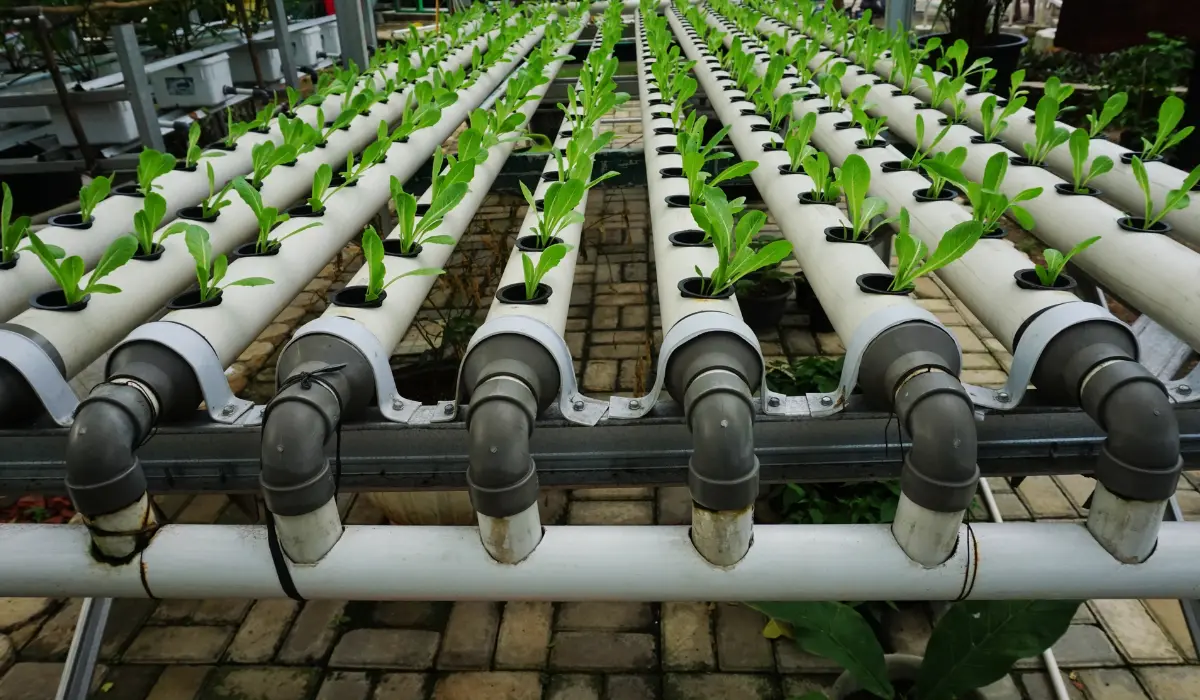
Agriculture and horticulture are two of the most vital sectors that support humanity. Even though both deal with growing plants, they differ a lot in scope, techniques, and objectives. Agriculture is meant for large-scale production of crops and livestock for consumption. Horticulture is the growing of plants for food purposes, ornamentation, and aesthetic beautification of the environment.
If you want to know the difference between agriculture and horticulture, learning from the environmental planning course is a good idea. It is offered by the British Academy for Training and Development. Both sectors are the backbone of global food security, ecological balance, and economic development. This blog will discuss the complex relationship between agriculture and horticulture, their significance, techniques, problems, and future perspectives.
Agriculture is the science, art, and practice of cultivating soil, growing crops, and raising livestock. It encompasses a broad range of activities:
Cultivating cereals, pulses, fruits, and vegetables.
Breeding and managing animals for meat, milk, and other products.
Integrating trees with crop and livestock farming.
Using technology to enhance farming efficiency.
Agriculture is fundamental to human survival. Key contributions include:
Ensures a steady supply of food for the growing global population.
A major contributor to GDP in many developing countries.
Provides livelihoods to millions worldwide.
Supplies industries with essential inputs like cotton, jute, and sugarcane.
Horticulture is a subdivision of agriculture that deals with the cultivation of plants for food, medicinal purposes, and aesthetic value. It includes:
Producing nutrient-rich foods.
Growing flowers and ornamental plants.
Designing and maintaining green spaces.
Raising plants for gardens and reforestation.
Horticulture contributes to human well-being in multiple ways:
Supplies fresh fruits and vegetables rich in vitamins and minerals.
the city environment and mental well-being.
Earnings from exports and tourism.
Produces fresh air and enhances biodiversity.
Agriculture and horticulture although separate, are inter-related. Agriculture is the fundamental practice for large-scale food production and horticulture enhances the practices to achieve quality and variety. Example:
Horticulture employs plant breeding methods that benefit agriculture.
Horticulture innovations, such as drip irrigation, are used in agriculture.
Horticulture conserves species of plants that can be used in agricultural systems.
Here are some technologies in agriculture and horticulture:
This technology employs the use of GPS, IoT, and drones to optimize agricultural practices. Applications include;
Soil health monitoring
Crop yield prediction
Efficiency in water and fertilizer usage
Vertical farming is a revolution in urban horticulture. Grown inside artificial conditions at multiple layered shelves to maximize the available area and to utilize even meager resources to their utmost limits.
Here are some biotech use cases:
Produces organism-based resistance against pests
It guarantees faster plant multiplication.
Global Warming Crop's life cycle falls and yields spoil due to uncertain climate behavior with sudden breakouts of adverse weather conditions that create chaos.
Extensive use of land, water, and fertilizer results in degradation.
High cost of maintaining controlled environments. Farming horticulture has got various techniques and one must learn it well to gain success.
Urbanization reduces the availability of skilled labor for both sectors. Mechanization helps but can never replace human talent.
Crop pests and diseases in agriculture and horticulture both are major causes of losses. IPM is the answer but needs to be done in a very prudent manner.
Now we will discuss sustainability in agriculture and horticulture:
Synthetic inputs are not allowed to enter good soil health with pesticide-free products. Organic farming is gradually done for fruits and flowers.
Through rooftop and community farms, the integration of agriculture with the cities bridges the missing gap between agriculture and horticulture.
Trees would be cultivated together with crops and thereby fertility in soils increases with the reduction in soil erosion besides providing another income in terms of timber and fruits.
Both industries can help ensure sustainability through the use of organic waste in composting and biogas production.
Here is the economic significance:
The cultivation of staples such as rice, wheat, and maize promotes international trade. Horticulture: The culture of crops such as berries, avocados, and flowers is also a key export commodity.
Jobs in farming and horticulture include:
Farm managers, agronomists, and equipment operators
Nursery, landscaping, and botanical research
AgriTech and horticulture technology start-ups are coming up with innovative solutions to challenges like water scarcity and pest control.
Here is the future of this field:
AI and ML applications will make farming practices more efficient and predictive.
Gene-editing tools like CRISPR can create crops that are resistant to climate change and diseases.
Urban horticulture will focus on developing green spaces that promote biodiversity and combat pollution.
Education and training programs will ensure that the workforce will be well-equipped to use new techniques in agriculture and horticulture.
Agriculture and horticulture, although both engaging in plant cultivation, differ significantly due to their scope, goals, and methodology. This is because they focus on size, type of crop, method of production, and economic effect. There are several comparisons between the two fields as follows through various aspects:
It has huge scales, such as from an area of acres in land in growing crops like grains, cereals, and industrial material. Mainly the purpose is to feed a bulging population, to support industry, and to maintain the economy of a country. Horticulture is a more localized and intensive type of agriculture; it occupies smaller plots of land that produce high-value crops including fruits, vegetables, flowers, and ornamental plants. The purpose serves more than feeding, in terms of aesthetic, health, and environmental benefits.
The crops generally raised in agriculture are the main food crops and industrial crops: wheat, rice, corn, cotton, and sugarcane, among others that can be used for these industrial processes and food consumptions. Horticulture entails all the different and specially selected plants, such as fruit crops like apples, and grapes, vegetables like lettuce and tomatoes, flowers that have roses and tulips, and medicinal herbs as an answer to nutritional needs, therapeutic needs, and, as well, decorative functions.
Agriculture, in general, employs mechanized tools and methods, like tractors and combine harvesters, to carry out huge operations. Methods like tilling, irrigation, and crop rotation are typical of the above field. Horticulture demands more accurate and gentle methods, like grafting, pruning, and tissue culture. Hand shears, potting benches, and misting systems are just a few of the tools commonly used to ensure the quality of the produce.
Agriculture represents the backbones of the national and international economies because it significantly contributes to a lot of countries' gross domestic product. Big trade supports it, raw materials are produced for industries and many people's livelihoods rely on it. Horticulture affects local economies but it only does this quite noticeably in smaller circles. Support earnings by niche markets of exporting valuable crop products. It boosts tourism in beautiful gardens and ornamental landscapes.
Agriculture uses general agronomic principles toward the optimization of production and maintaining yields, whereas horticulture uses specific botanical knowledge to improve plant health and appearance. For instance, agriculture may use soil fertility as well as pest control of a wheat field, where horticulture would concern nutrient solutions and controlled conditions for hydroponic lettuce.
Big machinery in agriculture causes a broad footprint, affecting the environment, starting with deforestation to water and land resource depletion. On the other hand, it offsets such impacts by employing sustainable approaches like agroforestry and organic farming. In a general perspective, horticulture generally impacts the environment favorably because of the increase in biodiversity, quality of air, and making towns green hence friendly and comfortable places to live.
Agriculture and horticulture form the foundation of human civilization and therefore will always ensure food security, economic prosperity, and ecological harmony. Whereas agriculture deals with large-scale food production needs, horticulture enhances the beauty of life through nutrition and sustainability.
Future courses in these sectors are going to be determined by modern technologies in collaboration with sustainable practices around the globe to meet new challenges. Therefore, it is necessary to take environmental planning courses in London that are offered by the British Academy for Training and Development. Innovation may implant agriculture and horticulture into the very mainstream of people's lives, with the aid of interdependence.