
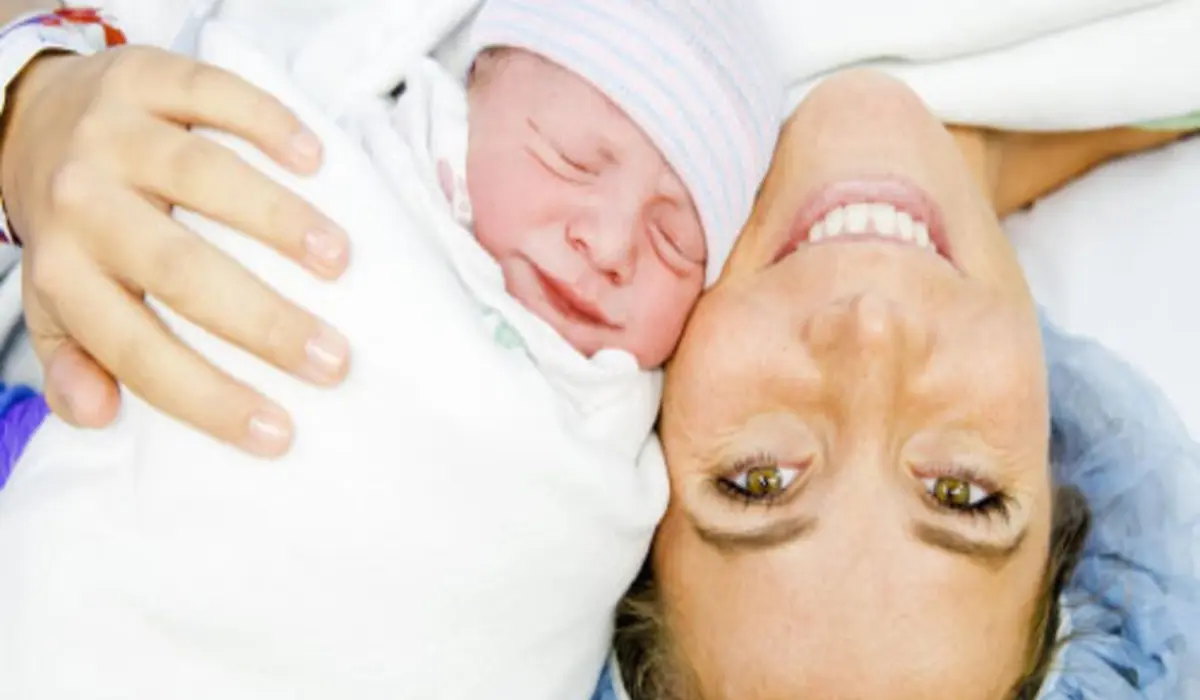
Under maternal and child health programmes, public healthcare professionals safeguard mothers along with their newborns and young children through medical services together with nutrition support and educational services. The main priority of these programmes is to ensure well-being during pregnancy together with safe deliveries until children reach a healthy state for future success.
Maternal and child health programmes focus on improving the well-being of mothers and children through access to quality healthcare, nutrition, and safe environments. To support such integrated health strategies, the British Academy for Training and Development offers a Training Course in Public Health Systems and Municipalities, equipping professionals to strengthen maternal and child health through improved public health planning and governance. These programmes often address broader determinants of health, including environmental conditions that impact vulnerable populations.
What is the Maternal and Child Health Programme?
Maternal and child health services would augment the other activities, thus supplementing the maternal health care in respect of pregnancy, childbirth, and early infancy. Based on these recommendations, the programme will implement prenatal health services in addition to safe delivery assistance and postnatal follow-up services, along with child-specific immunisations, nutritional counselling, and health education elements.
Life-saving, along with health promotion, stands as the fundamental objective of this programme during high-importance life events. This special health service supports mothers and children to remain healthy and strong. It provides prenatal and postnatal care, assists with healthy growth for babies, and teaches safety and wellness to families. This programme lays a brighter, healthier start for all families.
Importance of the MCH Programme Globally
Millions upon millions of women and children around the globe are affected by preventable illnesses because of poverty, access to health care, and education. The MCHP is trying to bridge that gap, especially for low-resource countries, in which maternal and child mortality still remains high.
Why it is important:
To bring down preventable deaths among mothers and childrenWith such proper nutrition and health care, early childhood could develop into better conditions.Strengthen the community health care systems.Promote gender equity through empowering an individual with knowledge and seeking care.Good maternal and child health services uplift whole communities and make the future brighter for all.What Actual Impact Do Maternal and Child Health Programs Make?"
Maternal and Child Health Programmes make an actual impact by timely provision of care, education, and support to mothers during pregnancy and to children in early childhood. Such services help to avert complications, reduce death rates, and ensure a healthier tomorrow for mothers and children.
The programmes combine medical care with community outreach and intelligent solutions, aiming at empowering families to make informed choices. The ripple effect strengthens communities, gives children better opportunities to grow, and induces sustained social change.
Key Services in Maternal and Child Health Programs
The programmes provide specific assistance that addresses the needs of mothers alongside their children. This programme provides several strategic services as follows:
The mother receives regular prenatal medical check-ups through antenatal care for continuous monitoring of maternal and foetal health conditions.Competent medical staff monitor births to supply the necessary safety measures throughout labour and delivery.Health maintenance through the initial six weeks of life becomes possible with postnatal care services that monitor mother and child health steadily. The early vaccinations developed for children defend the recipient from fatal illnesses, including measles, polio, and diphtheria.The nutritional support encompasses counselling about breastfeeding together with vitamin supplements and food education.
The integrated services generate a full healthcare wheel for patients.
Global Success Stories of Maternal and Child Healthcare Programs1. Bangladesh: Community Health Workers Saving Lives
Professional local women community health workers impact the household through home visits that include prenatal and family planning services. These have drastically reduced both maternal and neonatal morbidity and mortality.
2. Ethiopia Mobile Clinics in the Margins.
Mobile health teams were initiated by Ethiopia to extend the health service to unreachable communities with immunisation, antenatal care, and even nutritional information.
3. Mexico Conditional Cash Transfers
The programme consists of conditional cash transfers to households that bring their children to health checkups, vaccinate their children, and keep them in school, acknowledging the importance of the programme.
Challenges Facing Maternal and Child Health Programs
Contrary to the many achievements, maternal and child health programmes have many hurdles:
Limited Access to Care: Services would be too far or too costly in remote or conflict areas to be able to access health services.Shortage of Skilled Workers: There might not be available trained nurses, doctors, or midwives to provide quality care in some areas.Cultural Barriers: In some communities, the cultural beliefs do not motivate women to go for medical help.Gap in Funding: It usually demands an ongoing investment and continuous support in order to sustain improvement for a long time.Data and Monitoring Issues: Without reliable data, it is tough to track the progress and also to improve the services.Partnerships that bolster MCH programmes
Most successful maternal and child health programmes are shaped by the global and local partnerships, such as:
Government: Policy and funding for national programmesNonprofit/Nongovernmental Organisations: Output on the ground in hard-to-reach areasInternational Organisations (such as UNICEF and WHO): Technical support, resources, and trainingCommunity Leaders: Building Trust and Encouraging InvolvementLinking Hands to Ensure No Mother or Child is Left Behind.Where Now: The Future of Maternal and Child HealthFuture improvement in MCH programmes should look at
In the future, improvements to Maternal and Child Health (MCH) programmes should focus on simplicity, friendliness, and family-friendly accessibility. Direct messages and digital technology can garner more community support to assure safe health for mothers and children. The word "innovation" goes hand in hand with inclusion to pave the way for brighter and healthier futures.
The scope of access to enhance digital health tools
Train many women and other health workers in communities.Mental health and well-being are as important as physical care.Address health risks due to climate and crisis.Sustainable funding is ceasing partnerships.
The coming days are full of innovation and inclusiveness with sustained support systems.