
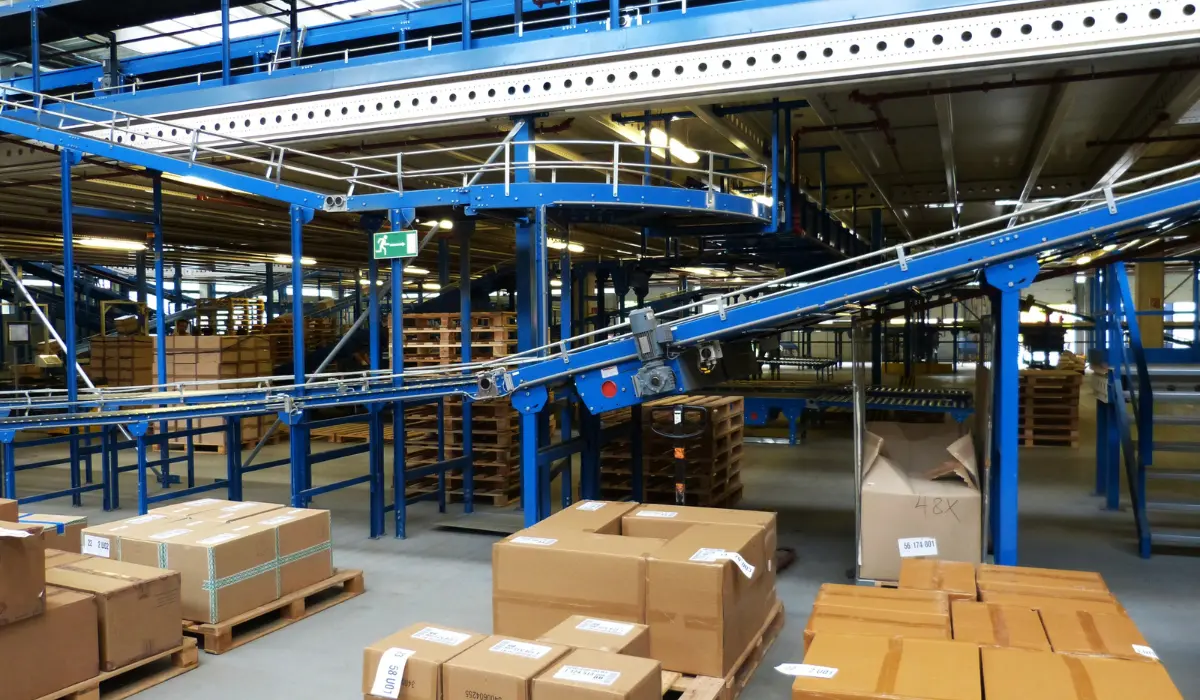
Modern supply chains rest on good logistics and transportation. They guarantee effective movement of goods from suppliers to consumers, therefore upholding quality, minimising delays, and managing expenses. Even the most carefully planned supply networks might break down without effective logistics and transportation systems, resulting in client dissatisfaction and income loss.
What is logistics in the supply chain?
Logistics is the management of resources, people, materials, inventory, and equipment from one place to another, movement and coordination. Logistics manages the movement of products from suppliers to producers and then to end consumers within a supply chain. Warehousing, inventory control, order fulfilment, and delivery are all included here. Effective logistics maximises general profitability, minimises delays, and lowers waste.
Recognising Transportation's Role
A major element of logistics, transportation is the physical movement of products. This covers road, rail, airborne, and maritime transportation. The speed, expense, and dependability of deliveries depend on the mode of transport selected. Good transportation planning guarantees timely delivery of products in suitable condition and at a fair cost.
Importance of Logistics in Supply Chains
Here are a few steps to understand the importance of logistics in a supply chain:
1. Improving Client Happiness
Logistics aims first and foremost to guarantee consumer happiness. Fast and dependable deliveries cultivate customer loyalty and trust. Businesses that can regularly supply goods on schedule develop a market advantage. Good logistics guarantees consumers get the proper items in the proper state, therefore raising levels of satisfaction.
2. Inventory and Warehousing Efficiency
Logistics manages warehouse operations and helps to control inventory levels. Good logistics helps businesses to keep ideal stock levels, preventing both stockouts and overstocking. Automation and real-time tracking intelligent warehousing techniques increase storage efficiency and accelerate order fulfilment.
3. Cutting operational expenses
Businesses can lower storage, handling, and transportation costs by streamlining logistical processes. For example, load planning and route analysis assist in lowering vehicle wear and fuel use. Additionally, well-designed systems serve to prevent expensive penalties and delays from damaged products or missed deadlines.
How Transportation Affects Supply Chains1. Selecting the Best Means of Transport
Every means of transport – road, rail, sea, and air – has advantages and downsides. While sea transportation is cost-effective for bulk commodities over long distances, road transport is flexible for short distances. The quickest but costliest form of transportation is air. Selecting the best mode is essential for cost control and meeting delivery deadlines.
2. Effects on Lead Time and Delivery Time
Lead times, the interval between order placement and delivery, are influenced directly by transportation. Faster transportation helps businesses to satisfy pressing demand and enhances responsiveness. Faster, though, more expensive alternatives could exist. For the success of the supply chain, speed and cost must both be balanced.
3. Ensuring Product Safety and Quality
Transportation has to guarantee that items arrive intact and secure. For sensitive goods like food, medicine, or electronics, preservation, handling techniques, and safe packing depend majorly on temperature. Bad transportation options might result in damaged goods, money lost, and dissatisfied consumers.
Logistics Transport Techniques Promoting Success
Three transport and logistics techniques promoting success are:
1. Real-Time Tracking and Visibility
Real-time tracking of items in movement is provided by contemporary logistical networks. GPS and RFID systems offer shipment location and condition status updates. This openness lets companies control expectations, prevent delays, and keep consumers updated. It also strengthens buyer-supplier trust.
2. Planning and route optimisation
Route planning saves both time and gasoline. To find the optimum paths, transportation management systems (TMS) examine traffic patterns, weather, and delivery windows. Aside from lowering transportation expenses, this guarantees timely deliveries, lowers carbon emissions, and
3. Integration with technology
With the help of technology, logistics has gotten more intelligent. Sophisticated software tools let companies automate inventory control, forecast demand, and govern shipments. Decision-making and forecasting accuracy are further improved by technologies including machine learning and artificial intelligence (AI).
Logistics and transportation difficulties
Here are a few logistics and transportation difficulties:
1. Costs of fuel and environmental issues
Transportation costs can be greatly affected by fuel prices. Through route optimisation, vehicle maintenance, and investment in fuel-efficient fleets, companies have to always be searching for means to cut fuel consumption. There is also mounting demand for sustainable logistics methods and emission reduction.
2. Global Supply Chain Disturbances
Pandemics, conflicts, or natural calamities, among other events, could upset international transportation routes. These disturbances cause delays, scarcity, and higher expenses. To negotiate such worldwide obstacles successfully, companies need contingency plans, other suppliers, and adaptable logistics networks.
3. Regulatory and Compliance Challenges
Including customs, safety standards, and environmental legislation, transportation is regulated in several ways. To escape legal problems and punishments, logistics teams must be compliant. For the success of worldwide supply chains, compliance with international trade rules and cross-border regulations is vital.
Sustainable Logistics and Green Transportation
Rising environmental issues drive companies to use green logistics methods. These include using electric vehicles, refining routes to lower fuel use, and changing to sea or rail freight whenever feasible. Eco-friendly methods not only enhance brand image but also lower carbon footprints.
Sustainable supply chains also emphasise reverse logistics, that is, managing recycling, returns, and disposal. Returned goods have to be logistically guaranteed and processed effectively. A sustainable logistics plan depends much on recycling packaging materials and lowering waste.
Governments all over the world are imposing harsher environmental rules. Providers of logistics and transportation must follow green certifications, waste disposal laws, and emission regulations. Investing in sustainable methods today helps companies adapt to future legal developments.
The Future of Logistics and Transportation in the Supply Chain
The British Academy for Training and Development offers an Effective Warehouse Management Skills Course. Automated systems are changing warehouses and transportation networks. Robotics can quickly and accurately pick, pack, and move items. Last-mile delivery is also being investigated using self-driving drones and trucks. These technologies help to decrease labour costs and human mistakes and increase pace.
Artificial intelligence is enabling logistics crews to make better judgement calls. Predictive analytics enhance inventory planning, route optimisation, and demand forecasting. Furthermore, able to identify trends, AI notifies managers about possible disturbances so that reactive measures can be planned.
Blockchain technology is building honest, secure supply chains for companies engaged throughout many sectors. It offers a fixed record of every movement and transaction, thereby boosting inter-party trust. Tracking high-value or time-sensitive goods benefits much from this.
Strengthening the Supply Chain Through Logistics and Transportation
Beyond being merely operational, logistics and transportation are strategic components that determine a supply chain's agility and power. Their influence is extensive, ranging from increasing sustainability and lowering costs to improving consumer happiness. The relevance of quick, technology-driven, and environmentally friendly logistics will keep high as global supply chains become more complicated.
Businesses need to spend on intelligent logistics solutions, adopt cutting-edge technology, and be flexible to market and environmental changes if they want to stay ahead. This way, they can create resilient supply chains that can withstand any disturbance and provide long-term value.