
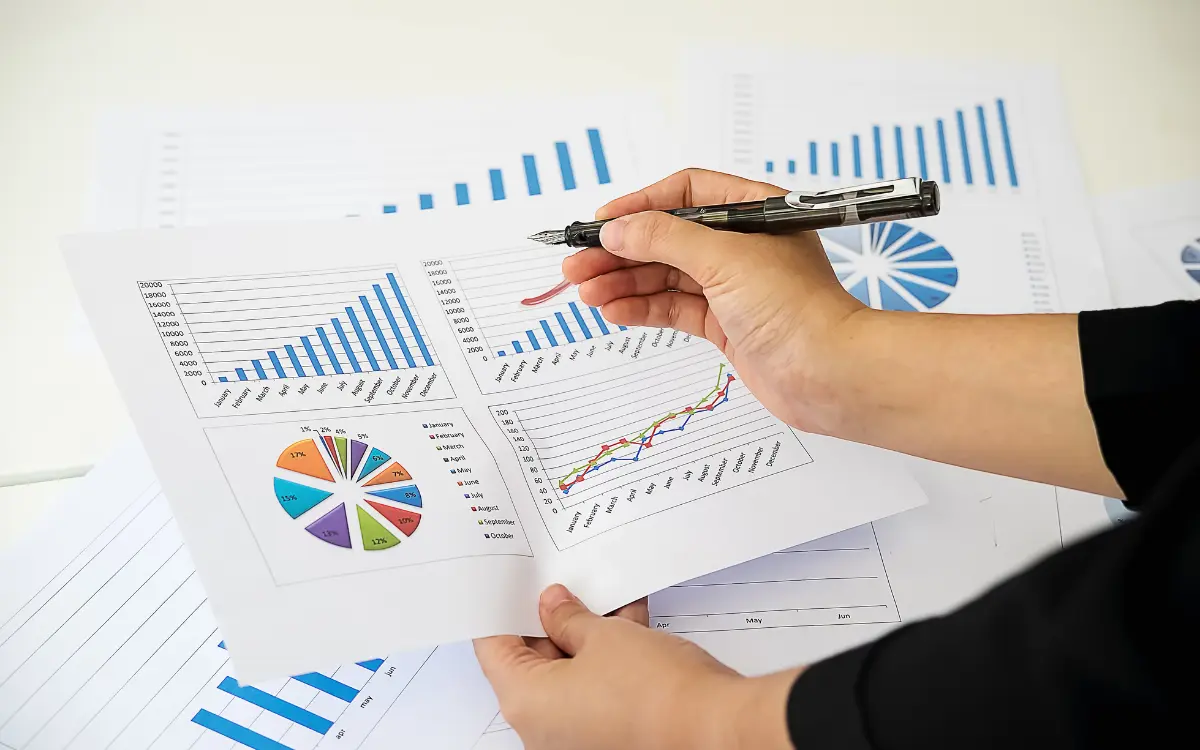
In the present-day data-driven terrain, comprehensive measurement analysis can be weighted in gold. With businesses, industries, and organisations relying more on data to make decisions, understanding trends, monitoring data, and deriving actionable insights have become critical aspects of growth and prosperity. In other words, comprehensive measurement analysis is beyond just data collection; it is also about effectively interpreting data to understand its pattern, predict what will happen in the future, and make the best decisions based on that. In this article, the scene is set for the latest trends, key data, and best insights that will define the future of comprehensive measurement analysis.
What is comprehensive measurement analysis?
Comprehensive measurement analysis is about harvesting, processing, and analysing various multiples of datasets so as to understand very well the different variables that impact a business operation. Comprehensive measurements are not like other measurements that focus on point-isolated data but actually incorporate almost all metrics of several domains into one.
In business terms, comprehensive measures could include anything to do with finances, consumer tendency, market movements, operational efficiencies, and employee performance. When initiating all these independent variables, it leads to insightful outcomes, which can help organisations grow, optimize processes, and strategize plans.
The Evolution of Measurement Analysis: Key Trends
Some key trends of measurement analysis are:
1. Integration of AI and Machine Learning
Artificial Intelligence (AI) and Machine Learning have transformed measurement analysis entirely. Automation of data processing and real-time trend recognition have now become standard practices within companies, increasing the efficiency and accuracy of any analysis. The objective of AI tools is to analyze an incredible amount of data, uncover hidden patterns, and predict future trends, and that is without considerable human intervention.
2. Real-Time Data Analysis
In earlier times, measurement analysis was generally restricted to historical data, producing insights that were useful yet somehow delayed. Now in this day and age of real-time data analysis, businesses can almost get instant access to data through technological trends that include IoT and connected devices, making instantaneous decisions as they adapt to changes in real-time. Very significantly, this capability benefits industries such as retail, manufacturing, and health care, where conditions are changed in an instant.
3. Data Democratisation
The other big trend is data democratisation. Traditionally, the data analysis domain would be confined to specialized departments with access to high-end tools. Nevertheless, these days, with easy-to-use analytics platforms and dashboards coming up, data has become accessible and interpretable for employees at all levels in an organisation. This shift allows teams to independently take data-driven decisions without having to depend on specialized analysts.
4. Focus on Predictive Analytics
Predictive analytics is making new and further inroads into the comprehensive analysis of measurement. Instead of merely analyzing past data, organisations are now using predictive modeling to anticipate future outcomes. This switch empowers organisations to intervene at the front end of potential problems, optimising resource allocation and also capitalizing on opportunities as they arise.
5. Cross-Disciplinary Measurement
Comprehensive measurement analysis is no longer restricted to one discipline. This multidimensional understanding enables organizations to improve their decisions by better understanding how influences relate to one another. Today, organisations bring data from diverse fields into a single, cross-disciplinary approach, for instance, finance, marketing, customers, and operations.
Key Data Points in Comprehensive Measurement Analysis
Here are a few key data points in comprehensive measurement analysis given below:
1. Customer Behavior Data
Understanding customer behavior in terms of the myriad things that they buy or even just use within which services is very important for a business. Such data can also come in various forms, like website traffic, social media engagement, the history of transactions, and customer feedback. The analysis of these data points gives a business the power to understand its customers and what drives their buying motives, interests, and marketing strategy or product.
2. Market Trends and Competitive Analysis
Keeping track of market trends and keeping an eye on one's competitors is very important to be ahead of the competition in today's world industry. Data mostly include market share, industry growth, new technologies that emerge, and customer sentiment, all of which give snapshots of where the market goes and where the opportunities are.
3. Operational Efficiency Metrics
The operations metrics tracked help in identifying the areas where inefficiencies abound as well as optimizing resources. Some of these metrics include production timelines, supply chain performance, and inventory management, indicating areas for savings and improvement.
4. Financial Data
Revenue growth, profit margin, and cash flow are all financial metrics at the very core of any measurement analysis. By correlating these from time to time with other sufficient data point(s), businesses are able to put an estimate on the overall financial health of their organizations and will, therefore, use this information in their budgeting and investing decisions.
5. Employee Performance and Engagement
The health of the organisation speaks a lot in terms of employee productivity, satisfaction, and turnover rates. Therefore, to assess and continuously improve employee performance and engagement, it is necessary to build employee morale, retain the employees, and set up overall profitability for the company.
Turning Data Into Actionable Insights
Some strategies for turning data into actionable insights are:
1. Visualisation Tools
Previously complexity data used to be tough to interpret for their visualisation skills. But now, how easily one could differentiate with the help of analysis models like charts, plots, heatmap, and dashboards through complex data or information against performance is almost impossible. Understanding as well as reporting and communicating insights becomes much easier across different stakeholders in the organization to create a cultural shift towards data-driven decision-making. Enroll in the Training course in London at the British Academy for Training and Development, to master those crucial skills.
2. Data Segmentation
Segmentation of data into relevant categories gives even finer insights than analysing the whole lot. For example, customer data could be segmented into categories such as demographics, buying behavior, or location, which leads to effective and personalized marketing strategies.
3. Benchmarking
A comparison of data relative to the industry standard or historical performance will help businesses set more realistic goals and expectations. Benchmarking numbers give context and thus make companies know when they are on the track or when they are falling behind.
4. Collaboration Across Departments
To be maximum impact measurement analysis, cross-department collaboration among them is required. The teams from different areas—marketing, finance, operations, etc.—come together, offering insights into continuing action. Such collaborative efforts build a holistic perspective of how different factors interact and influence overall business performance.
The Future of Comprehensive Measurement Analysis
As technology continues to evolve, the field of total measurement analysis will also evolve and improve. There will be more advanced AI and ML tools, future predictive models, and real-time analytics. These assets for businesses will provide more avenues to optimize operations with the affordance of increasing volumes of data and cases to enhance customers experiences. As a plus, governments and states will put more pressure on organisations to adopt essential best practices in data security and proper usage of data beyond conformity to laws like GDPA and CCPA due to new privatisation incidents and data regulations.
Therefore, the integration of advanced analytics tools with reasonable security architectures will become highly important for ensuring safe yet efficient conduct of measurement analysis.