
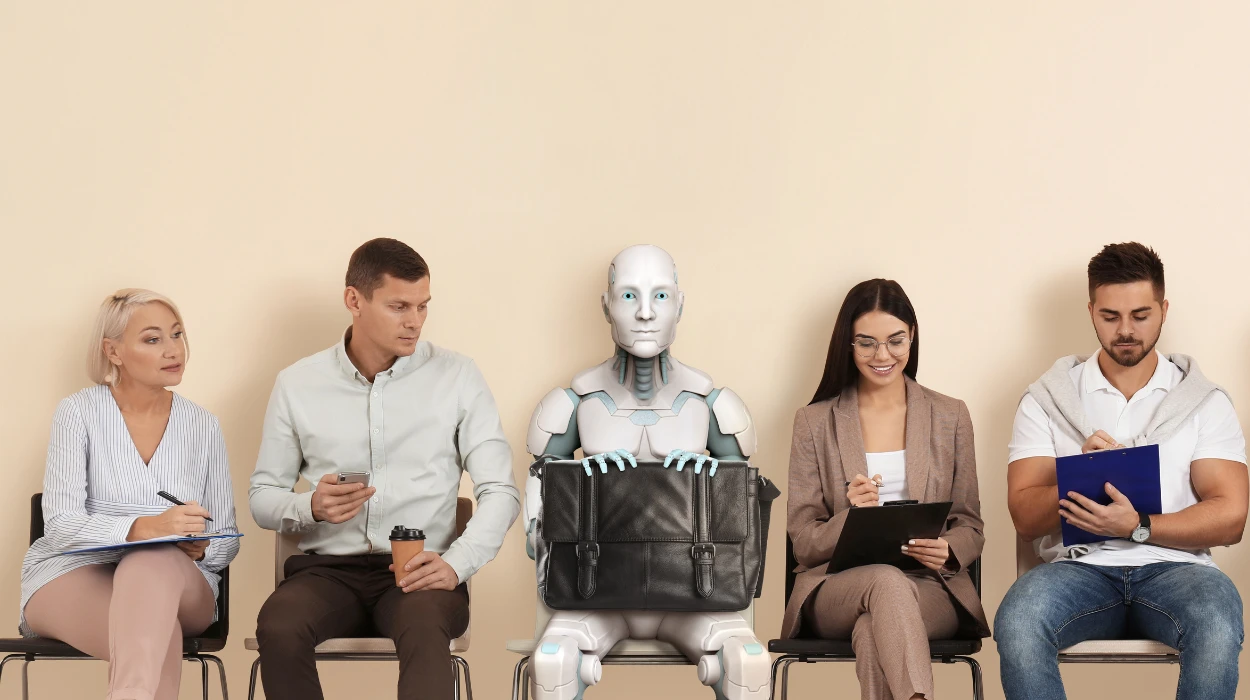
In today’s technology-driven era, artificial intelligence has become an integral part of professional life, reshaping how we work, think, and make decisions. Within the field of project management, organizations are increasingly questioning the role of AI and whether it can fully replace the project manager. While the idea of substituting human leadership with machines may seem appealing to some, it raises practical and realistic concerns about the limits of artificial intelligence and whether it can enhance performance without eliminating the essential human dimension.The British Academy for Training and Development emphasizes in its advanced programs that artificial intelligence is a powerful support tool for project management, but not a replacement for human involvement in planning, decision-making, team motivation, or managing complex risks. Project management is not simply about tracking schedules or controlling budgets; it is fundamentally a human-centered activity that requires understanding relationships, interpreting behavioral dynamics, and making decisions amid uncertainty and incomplete information. Therefore, the real question is not what artificial intelligence can do, but how it can be used to make project managers more effective rather than less relevant.The Capabilities of Artificial Intelligence in Project ManagementArtificial intelligence excels in processing large volumes of data with speed and accuracy that far exceed human capacity. It can monitor schedules, track budgets, analyze risks, and even predict potential deviations before they occur. In addition, AI can automate many routine administrative tasks such as sending reminders, updating task statuses, and generating performance reports, freeing project managers from operational overload.Through continuous data analysis, AI can identify patterns based on historical performance and provide data-driven recommendations that help teams take corrective actions more quickly and accurately. These capabilities make artificial intelligence a valuable asset, particularly in large and complex projects involving multiple teams and diverse stakeholders.The Limitations of Artificial Intelligence in Project ManagementDespite its strengths, artificial intelligence remains limited in several critical areas. It lacks creative strategic thinking and cannot effectively deal with ambiguity, sudden changes, or unexpected human behavior. AI is also incapable of motivating teams, understanding interpersonal dynamics, or negotiating with stakeholders—skills that are essential to project success.Relying entirely on artificial intelligence without human oversight may lead to technically accurate but practically unrealistic decisions, especially in projects affected by sudden client changes, communication breakdowns, or organizational politics. This clearly demonstrates that AI is an enabler, not a full replacement for human project leadership.Integrating Artificial Intelligence with the Project ManagerThe most effective project management model in the modern era is one that integrates artificial intelligence with human leadership. AI can collect, analyze, and present data efficiently, while the project manager remains responsible for interpreting insights, making judgment-based decisions, and balancing strategic and human considerations.This integration enhances responsiveness to problems, improves resource allocation, and reduces risks without sacrificing the human judgment that ensures projects remain aligned with organizational goals and stakeholder expectations.Artificial Intelligence in Risk Reduction and Performance ImprovementOne of the most impactful applications of artificial intelligence in project management is risk management. Advanced algorithms can identify potential risks early, assess their likelihood and impact, and help prioritize mitigation efforts before issues escalate.AI can also monitor task progress and detect bottlenecks, enabling proactive intervention rather than reactive crisis management. Furthermore, performance analytics generated by AI provide valuable insights into team productivity and efficiency, helping leadership understand strengths and areas for improvement.Psychological and Professional Challenges of AI AdoptionDespite its benefits, the adoption of artificial intelligence introduces psychological and professional challenges. Team members may fear job displacement or loss of control over their work, while some managers may over-rely on digital insights at the expense of real-world judgment.Addressing these challenges requires an organizational culture that views artificial intelligence as a support mechanism rather than a threat. Proper training and transparent communication are essential to ensure AI enhances human performance instead of undermining it.Artificial Intelligence and Strategic Decision-MakingArtificial intelligence can provide accurate data and valuable analysis, but it cannot make final strategic decisions. Strategic judgment depends on context, experience, ethical considerations, and an understanding of stakeholder relationships—factors that AI cannot fully replicate.As a result, the human project manager remains essential in interpreting data, weighing trade-offs, and making decisions that reflect both analytical insight and organizational reality.The Future of Project Management with Artificial IntelligenceArtificial intelligence is expected to become a standard component of future project management environments, but it will remain a supportive tool rather than a replacement for leadership. Project managers who successfully combine AI-driven insights with human judgment, emotional intelligence, and strategic vision will achieve the most sustainable results.Conversely, organizations that rely solely on artificial intelligence without human leadership risk managing projects efficiently on paper while failing in practice.The Human and Technical Balance in ProjectsUltimately, the human element remains central to project success. Artificial intelligence enhances monitoring and analysis, but it cannot replace wisdom, persuasion, motivation, or conflict resolution. The human project manager bridges the gap between data and reality, transforming numbers into informed decisions that drive meaningful outcomes.