Broadcasting and television remain two of the most influential mediums in today’s media landscape, playing a significant role in shaping public opinion and delivering news and entertainment. With rapid advancements in media technology, professionals require up-to-date skills to navigate these changes effectively. The British Academy for Training offers a distinguished suite of advanced courses in broadcasting and television aimed at equipping participants with practical and theoretical knowledge for careers in these dynamic fields. These programs are available in global locations such as London, Dubai, Madrid, Geneva, Paris, Cairo, New York, and New Jersey, giving participants the chance to experience diverse cultural and professional settings.
The Importance of Broadcast and Television Training Courses
The academy’s broadcasting and television courses aim to enhance both practical and technical skills, covering essential areas such as production, presentation, directing, editing, and sound engineering. These courses focus on hands-on training, which helps students build confidence and skills to excel in media roles in a variety of environments, from television studios to digital streaming platforms.
Training Locations: Diverse and Prestigious Settings
The British Academy has extended its training courses across several key cities worldwide, allowing participants to experience media training in some of the most influential hubs. Training locations include:
- London: The heart of global media, where students can learn with access to cutting-edge studios and media facilities.
- Dubai: A leading media center in the Middle East, offering a unique view of Arabic-language broadcasting.
- Madrid and Paris: These European cities give participants insights into European broadcast methods and standards.
- Geneva: Known for its international organizations, Geneva provides a backdrop for global news coverage and reporting.
- Cairo: A media powerhouse in the Arab world, Cairo allows participants to experience regional media production techniques.
- New York and New Jersey: These U.S. cities provide exposure to the American media industry and a fast-paced news environment.
Specialized Broadcasting and Television Courses
The British Academy offers a wide array of specialized courses that allow students to focus on specific areas in broadcasting and television. Here’s an overview of some of the most popular courses:
Presentation and Production Courses
- Professional TV Presentation: Teaches students how to appear confident and engaging on camera.
- TV Program Production: Covers skills in creative writing and program preparation.
- Audience Engagement Techniques: Focuses on effective public interaction through broadcast media.
- Talk Show Production: Teaches planning, content creation, and managing live TV interviews.
- Voice and Speech Creativity: Develops voice modulation and presentation skills.
Directing and Filming Courses
- TV Filming and Lighting: Teaches the basics of professional lighting and camera work.
- Advanced TV Directing: Covers scene design, shot selection, and managing live broadcasts.
- Video Editing and Montage: Instructs on editing techniques using industry-standard software.
- Field News Filming: Guides students on capturing news events in outdoor settings.
- Drone Filming Techniques: Teaches drone filming techniques for innovative broadcasting.
News and Journalism Editing Courses
- News Writing and Editing: Covers skills for composing and editing engaging news stories.
- Field Reporting Techniques: Focuses on writing compelling stories after on-location coverage.
- News Content Analysis: Teaches how to interpret and assess news content professionally.
- Breaking News Preparation: Focuses on crafting quick-turnaround stories for live broadcasts.
- News Verification and Source Analysis: Emphasizes verifying news sources and ensuring credibility.
Audio and Sound Engineering Courses
- Sound Design for Documentaries: Covers sound recording and editing for documentary projects.
- Live Broadcast Audio Management: Teaches sound system management for live broadcasts.
- Sound Editing and Effects: Instructs on audio editing software and adding sound effects.
- TV Soundtrack Creation: Covers organizing and incorporating soundtracks in broadcasts.
- Professional Voiceover Training: Teaches voiceover skills for news and feature segments.
Hands-On Training in Real Studios
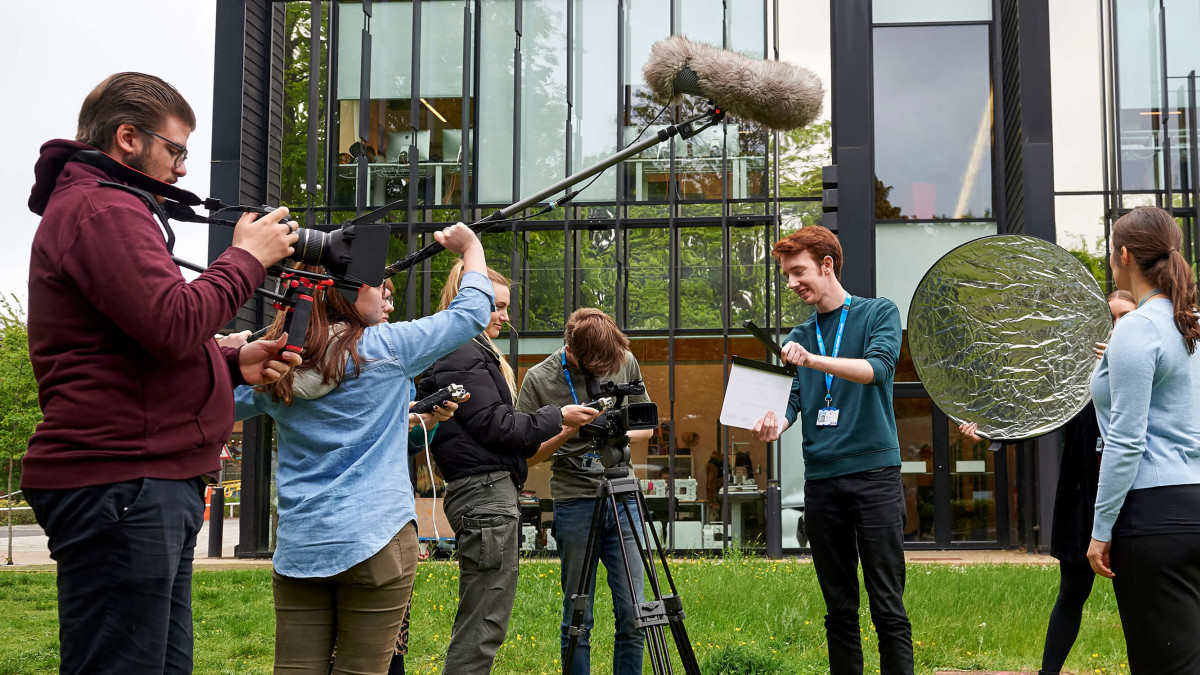
A highlight of the British Academy’s programs is the intensive hands-on training provided, immersing participants in the practical aspects of media production. This experience includes:
-
Training in Fully Equipped Studios: Participants gain experience in real studios, where they learn all aspects of production, from filming to live broadcasting.
-
Collaboration with Media Experts: Working alongside experienced media professionals, students acquire insights into producing, editing, and managing live broadcasts.
-
High-Pressure Situations: Participants learn to work under the tight deadlines typical of a fast-paced broadcast environment.
-
Live Coverage Training: Trainees may cover live events, providing real-world experience in capturing and reporting on current affairs.
Globally Recognized Certifications
Graduates of the British Academy receive internationally recognized certifications, enhancing their employment prospects in the media sector. These certifications validate professional proficiency and expertise, establishing participants as capable and knowledgeable media practitioners.
Programs Aligned with Modern Media Technologies
The academy ensures that its programs incorporate the latest advancements in media technology, preparing students to work in a variety of media platforms. These programs include:
- Digital Broadcasting and Live Streaming: Focuses on real-time streaming and internet-based media.
- Virtual Reality in Reporting: Teaches how to incorporate VR into news reporting for immersive storytelling.
- Cinematic News Production: Covers cinematic techniques for news production.
- Mobile Device Editing: Teaches participants to edit media using mobile devices.
- Multimedia Journalism: Focuses on presenting news across multiple media platforms (TV, web, and social media).
Career Opportunities After Graduation
The training equips students to work in diverse media roles, including as:
- TV Presenters
- Journalists and News Editors
- Field Cameramen
- Producers and Directors
- Broadcast Technicians
Participants are also encouraged to start their own media projects, supported by their acquired technical and creative skills.
The British Academy’s broadcasting and television courses are a stepping stone to a successful career in media. With comprehensive programs and practical training in some of the world’s top media cities, participants gain valuable experience and a unique, professional edge in the ever-evolving field of broadcasting and television.