
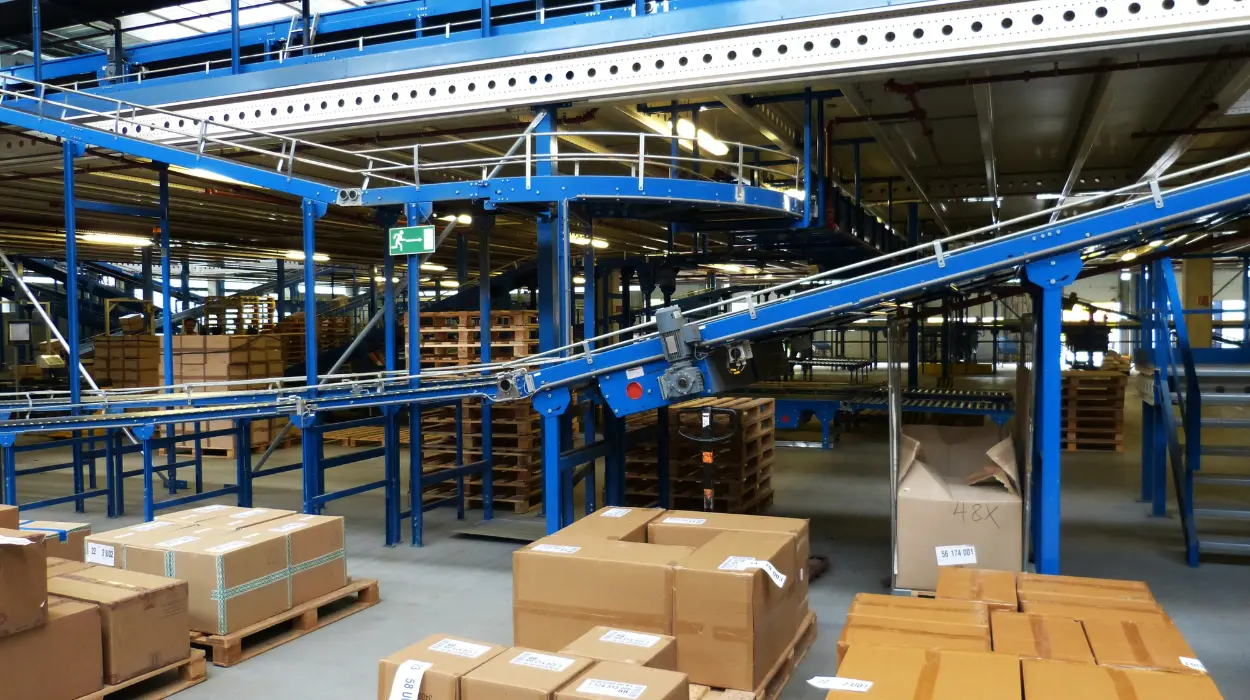
Reverse logistics has established itself as a crucial arm of supply chain management in today's fast-changing business environment. It involves all the processes that move goods from the end-consumer back to the original producer or central hub. This guide will provide you the detail of essential reverse logistics with how it works and all its various types as well as the stages involved.
Reverse logistics activity is referred to as collation, reuse, recycling, or appropriate disposal of products and materials. Reverse logistics, aside from forward logistics, which emphasize the movement of goods from producers to consumers, includes operations moving backward in the value chain concerned with the recovery of value or environmentally responsible disposal.
Reverse logistics activities are essential in making any industry feasible in terms of customer satisfaction, regulations, and sustainable business practices. It would also reveal certain new revenues that could reduce the cost of doing business.Hone the power of effective logistics and supply chain management to deliver business successes and sustainability.
Reduce operational costs with value recovery from returned or end-of-life goods while promoting sustainability through recycling and reuse. This also improves customer satisfaction by ensuring cost-efficient returns and repairs, as well as having business organizations comply with regulations. Strengthen reputational and long-term integrated environmental and economic goals.
Reverse logistics system comprises interconnected sets of processes that differ depending on the nature of the returned goods. This is how it works:
Initiation of Return: A customer initiates return because of a defect, dissatisfactory item, an expired product, or excess inventory.
Product Collection: Collected product from a customer is sent to the designated central point-by post, pick-up, or drop-off.
Inspection and Sorting: The material received is then inspected and sorted according to reuse, repair, recycling, or disposal.
Value Recovery or Disposal: Depending on the assessment, the products are either repaired, refurbished, resold, recycled, or disposed of responsibly.
Documentation and Analysis: Capture and analyse return data in order to identify trends and enhancements to reduce future return rates.
Specific demands can be met with different categories of reverse logistics:
The returns management refers to reception of returns from customers whether due to some faults in the product or some dissatisfaction with the product or merely due to the end of use. Proper returns management ensures that these products will be either restocked or refurbished or even recycled.
Refurbishment is usually repairing or restoring previously used items back to conditions as good as new, while remanufacturing refers to disassembling and rebuilding the products to their original specifications. Therefore, both practices prolong the life of the products, resulting in waste reduction.
This particular type of reverse logistics is concerned with collecting and processing materials for recycling or environmentally friendly disposal of products. This includes, for example, electrical and electronic waste recycling or appropriate disposal of hazardous substances.
In case of unsuccessful delivery, drivers collect the returned products to sorting centers, then sorting centers return the products to the origin. Rarely, but some sorting centers may have the manpower to know the reason for the delivery failure and rectify the mistake and resend.
The end of lease or rental terms on any equipment allows the owning company of that equipment to redeploy, recycle or remarket it.
Some product relationship contracts in which customers and companies maintain or repair equipment if respective issues arise. Some products may also be sold out to another customer after repairs from returned and damaged items.
By definition, this means that the product is either not useful or does not work. Whether it is because the product has outlived a customer's needs, or other advancements have activated users to move on to a newer, better version, an end-of-life product is one considered to be replaced and discarded. Products of end-of-life may face much recycling and disposal by manufacturers. Such goods may pose environmental challenges to manufacturers and the country.
The reverse logistics process typically consists of five stages, which include:
Involves gathering returned or end-of-life products from various sources including customers, retailers, or distributors. Organising return channels and ensuring efficient transportation to designated facilities are also part of this stage.
Next comes the inspection and classification of products, those that are still usable or reusable will be classified into reusable and/or repairable, recycled, or disposable materials. Sorting is necessary for carrying out the next steps effectively.
Further processing of the products will be based on the results of inspection done. Repairing, refurbishing, remanufacturing, dismantling for recycling may fall under this classification. Product items found to be salvaged will also be appropriately disposed of to ensure safety.
This stage executes all repairs for the parts involved. They are either kept in warehouses in the company or thrown into the trash if it is beyond repair. Some specific components are suited to the manufacture of new products, and not all of them are repairable; rather they will undergo recycling, keeping the environment clean by minimising waste.
Delay in taking products to the shelf can lead to spoilage and subsequently increase the waste significantly.So, damaged goods will be transferred to the appropriate area. Or carry damaged goods and articles to the garbage. Generally, all should be transited without storage duration.
Reverse logistics is one of the key areas of modern supply chain management which covers the efficient recovery of returned products value and sustainability. Returns, repairs, recycling, and end of life handling create lots of cost benefits, improved customer service, and regulatory compliance. Different types and stages of reverse logistics further streamline this process, as it is critical to the operational efficiency of the business. Reverse logistics would continue to remain an intrinsic factor to business success as well as environmental responsibility as industries incline more towards sustainability.Reverse Logistic Courses are a comprehensive offering by British Academy for Training and Development, courses which make you master the processes and strategies to optimise supply chain operations.