
Meteor showers, surely one of the most impressive astronomical events that could grace the night sky in August, are sure to capture sky watchers' imagination, and amazement at fiery streaks of light blazing across the night sky. That is why this celestial wonder will unite enthusiasts and casual observers in August. If you want to gain some insight on Meteorites choose a good environment course offered by the British Academy of Training and Development.
All of this has been explained so that one can have the magic of media shower lights, a view of the frequency of the Perseid meteor shower, an idea of meteorites in August, and very informative information on the Aug 13 meteor shower, meteor shower Aug, and meteor shower on August 13-14.
The term "media shower lights" might bring to mind an astronomical display magnified by human technology. Although meteor showers are, by their very nature, a natural phenomenon, the impact of media and artificial light enhancement cannot be overlooked. Media have adopted these events and turned them into global phenomena. From live meteor showers streaming to detailed guides and augmented reality apps, the role of media in popularizing these events is profound.
Networks and broadcasting companies such as NASA TV and YouTube stream meteor showers live, often accessible to audiences worldwide for viewing, in case it happens to be a dark, clear night. Here are some good media-enhanced experiences:
Star Walk and Sky View offer real-time suggestions and point the user towards where to view meteor showers
Astro-photographers use methods of long exposure enhanced by advanced technology to capture glowing paths of meteorites august, which are sometimes known as "shower lights." This is also an integration of both natural and media technology, whereby even those based in cities with lightly polluted skies will be able to capture this phenomenon.
The Perseid meteor shower is an annual popular phenomenon and is very prolific with their displays. Their regular occurrence and reliability make the event one of the most widely attended meteor showers in the world.
Here is why Meteorites August is unique:
Perseid are bits of the comet Swift-Tuttle which takes 133 years in a direct orbit around the Sun. As Earth passes along through the tail of that comet, it burns upon entering the atmosphere and making spectacular light.
The showers appear every August. For an observer, they display up to 100 pieces an hour under ideal observing conditions.
Bright Spot: The meteors appear to emanate from the constellation Perseus, therefore they call it that.
Here are some tips:
Find a dark place away from city lights.
Let your eyes become dark adapted for at least 20 minutes.
Usually after midnight and before dawn, are the best times.
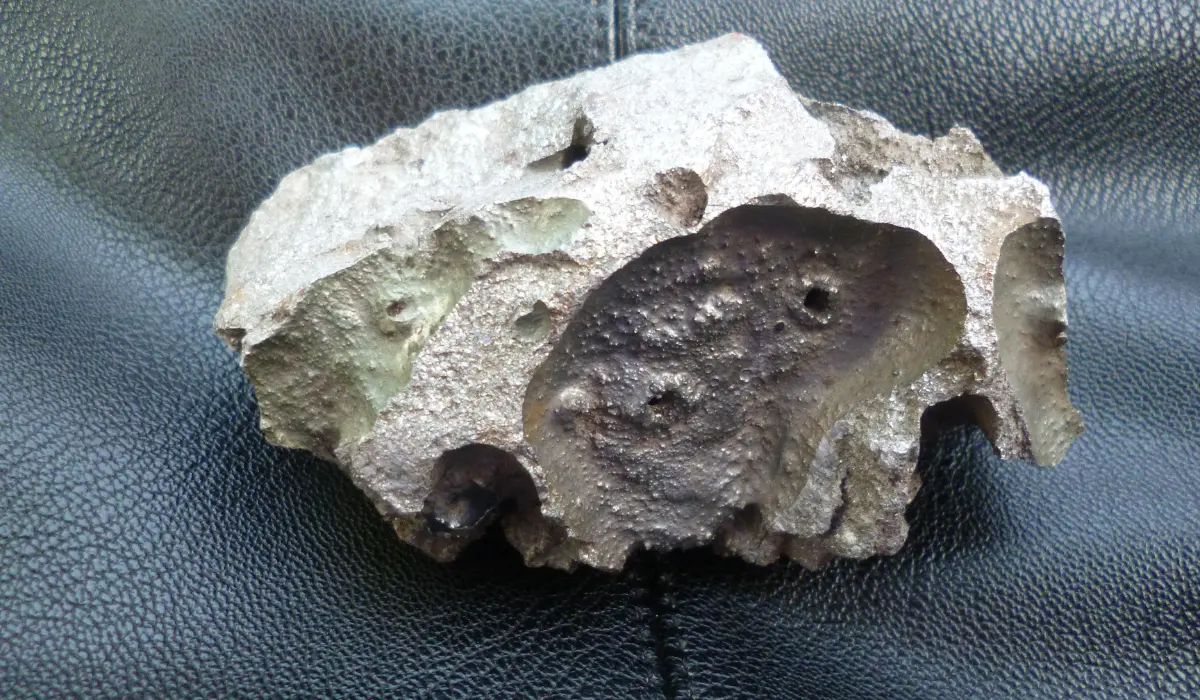
While meteor showers like the Perseids captivate us with momentary trails of light, some meteors survive their fiery plunge to become meteorites. Such tangible leftovers of cosmic travel are rarer but no less fascinating.
Meteorites connected with August showers have a greater chance of being fragments from Swift-Tuttle or other local celestial bodies.
Most meteors burn completely. Finding a meteorite of this time is an event prized.
Meteorites are crucial in ascertaining the composition of comets and asteroids; hence they give a glimpse into the early solar system. Collectors and scientists keep records of the falls of the meteorites in these times as they might provide vital scientific information.
August 13 is the date that marks the peak of the Perseid meteor shower, generally marked in the calendars of meteor enthusiasts. The show the event brings with it is a shooting star show, though clear skies most often become the order of the Northern Hemisphere. The meteor shower August will be a night to remember. Here is What to Expect:
The shower peaks on the night of August 12-13, and the sky is lit up with meteors rapidly.
Larger meteoroids create spectacularly bright meteors known as fireballs, adding drama to the display.
While the Perseids can be seen worldwide, the Northern Hemisphere provides the best vantage points. Many stargazers organize "Perseid parties" or campouts to celebrate this celestial spectacle, making August 13 a communal and memorable night.
Meteor showers aren't limited to just the Perseids of August, either. The month also heralds in other lesser-known but perhaps equally interesting shower systems that make the celestial calendar that much better. Other August Showers include:
They fall during early to mid-August and are far less spectacular but will sometimes sport bright fireballs.
This shower is radiating into August and will peak about late July and be characterized by medium-bright meteors from out of Aquarius.
It tends to produce slow-moving meteors and rare fireballs and usually coincides with the activity of the Perseid shower in early August. Both showers add up greatly to what has already made August a fine month for meteor watching.
The opening to the August 13-14 meteor shower often marks the last flourish of Perseid activity. Witnessing the show as it's at its peak is almost magical, like watching a cosmic ballet. It will be easy to check the Perseid meteor shower frequency. Here is what it is all about:
Peak hours occur between midnight and dawn. Moonlight, if this falls during the same period, will dim the visibility, so checking the phases of the moon is essential.
Meteor viewing is best done with clear skies. Plan your event with apps like AccuWeather or Clear Outside.
Naked eyes work, but binoculars or a telescope could add to the experience if faint meteors need to be spotted.
Understanding the mechanics behind meteor showers adds depth to the observation. When Earth's orbit passes through a comet's dust trail, friction with the atmosphere ignites these debris pieces, creating streaks of light. The light and speed of meteors depend on size, composition, and entry angle.
Here are some fun facts:
The Perseids travel at about 59 km/s (37 miles/s).
Colors are derived from combusted minerals. For example, yellow is from sodium; and green is from iron.
The Earth always passes through the Perseid debris trail, thus providing for an annual reliable phenomenon during the astronomical calendar.
If someone wants to see the fall during August, then preparation proves handy. Here are some of the quick do's both before and during the event which are bound to ensure a productive experience
Find a spot that has minimal light pollution like a rural setup or dark-sky park.
Meteor activity is at its maximum in the early hours of the morning.
A reclining chair, warm clothing, and snacks make the hours go by much more painlessly.
Meteor watching takes time and concentration. Just relax and let the night unfold itself.
Meteor showers have enthralled human imagination throughout centuries. They have come a long way, having been used as omens to inspiring art and literary creation. These celestial spectacles are an integral part of our culture.
Meteor showers were used to be divinely inspired or change predictions in ancient times.
Observance of meteor showers can be seen these days as the festivals and get-togethers are being done with infusing astronomy along with cultural celebrations.
August is a magical month for celestial events. From gazing at the Perseids shower August 13-14 to studying the frequency of the Perseid meteor shower, or even discovering the heritage of meteorites in August, the experience will be engraved in your mind. And with the advent of media coverage and tools such as augmented reality apps, more people have been able to experience meteor showers than ever before. You can choose some of the best environment courses in London to get some information about this event. British Academy for Training and Development offers the best courses at good prices. So mark your calendars, pack your gear, and get ready to be amazed by a spectacular natural light show. Stars shining brightly await!