
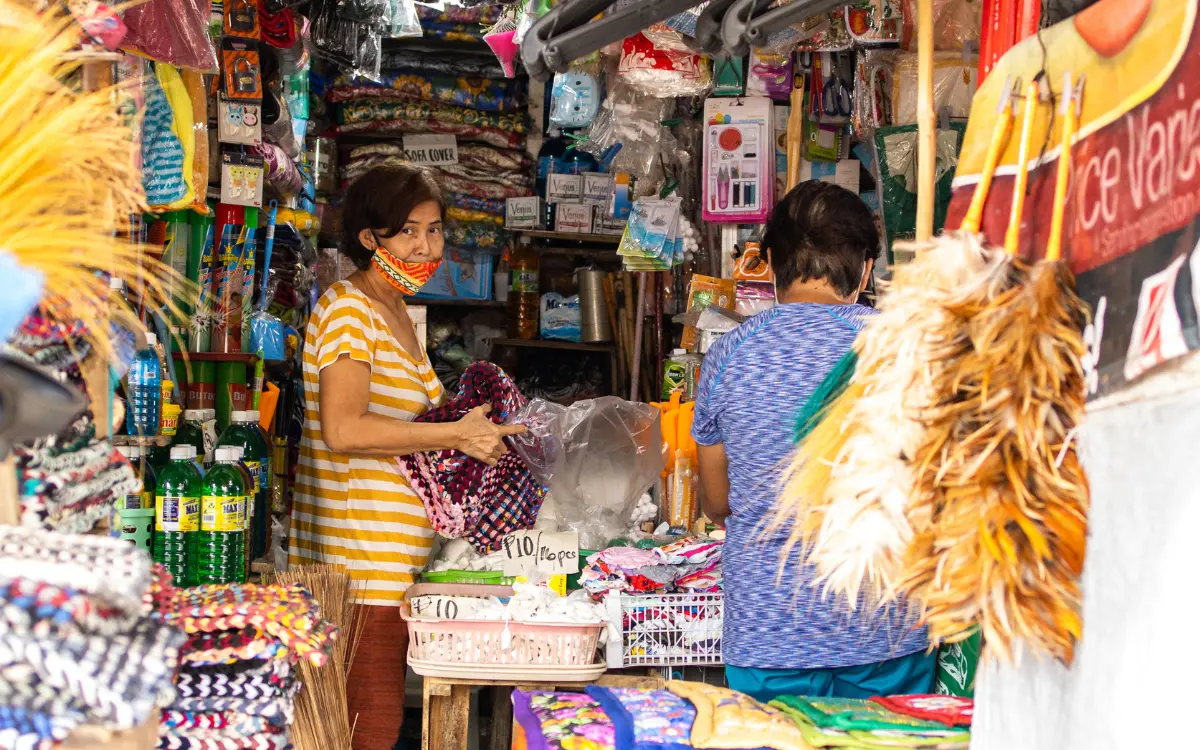
Merchandising in retail management deals with deciding upon the products to be sold and how these products are to be offered for sale to attract the customers into buying them. It works its way from choosing the right variety of goods to the way these goods are displayed on the shelf, facilitating a smooth journey for the customer from the first moment of interest till the time of purchase.
Good retail merchandising not only focuses on the enhancement of the general shopping experience but also directly impacts profit and brand loyalty. Learning the basics and implementing best practices, retailers create attractive, organised, and convenient spaces for customers that develop conversion and repurchases from their stores.
What is retail merchandising?
Retail merchandising is the combination of strategies a business takes to encourage customers to purchase items in a retail store. This can include all promotional and marketing activities from the plan-making stage to the execution stage. Big stores can employ retail merchandisers to come up with these plans, and in small stores, the store manager or owner performs or coordinates these responsibilities.
Fundamentals of Retail Merchandising
Instead of focusing on what retail merchandising is, retailers should know and follow the fundamentals of this effective sales merchandising process. Every retailer must follow the four vital fundamentals to sustain themselves in the marketplace. These include merchandise strategy, format environment strategy, communication strategy, and customer service strategy.
1. An Effective Merchandise Strategy
It is a merchandising strategy that refers to the most relevant viewers, the most relevant customers who would want the product that the retailer has at the right place and right time, by using the most pertinent merchandise.
2. An Effective Communication Strategy
Communications strategy is one of the most vital elements of the successful brand and sales merchandising. This covers the medium through which your store will announce any offers and facts about your product merchandising to the potential target audience. The ideal communication strategy would be to give out the relevant information likely to motivate customers into buying the subject under consideration. You can then see the customer buying pattern and analyse it to come up with more attractive offers in the future.
3. An Effective Customer Strategy
It is imperative that every effort turning to merchandising in the field leads to customers having the most pleasurable and satisfying experience during their buying at your store. All these things begin with you, the store owner, presenting a good quality service in customer care for addressing different queries of your customers.
4. Environmental Strategy
Lastly, consider planning and including an environmental strategy into your retail merchandise process. Be inventive; be innovative in the strategies you develop to provide the most relevant and impressive services. This involves strategically placing products in the store environment to capture the right audience.
Best practices for retail merchandising
When creating a retail merchandising plan, consider following these best practices:
1. Plan layouts carefully.
Store layout is the most critical aspect from the customer's perspective in the retail experience. Some retail chains design a uniform layout for their franchises. Therefore, if you create your own store layout, consider how you want your customers to navigate through the merchandise. Make the store itself pleasing with sufficient space for customers to move without hindrance. To gain expert knowledge, the British Academy for Training and Development offers a course in selling strategies in retail stores, helping you optimise your retail space for maximum impact.
2. Research customers' needs
An essential aspect of merchandising is having the products customers want in your store. You want to find out more about your market and target audience and what products they want. You will be able to select and then purchase the correct products. Reviewing the customers' needs might help you plan the layout of your store and where you display your product groupings.
3. Keep the store clean and well-supplied.
Keeping the retail store clean can help in attracting customers and improving their shopping experience. Some retail stores put together a shelf-stocking plan and a cleaning schedule to keep customers happy. For example, employees may clean the floor, stock all the shelves, and get the store ready for the next day after the store is closed.
4. Group products intentionally
In retail merchandising, grouping is an important part of the process. Grouping involves where, and how many, products a store groups together. Try to group products in a way that is simple for customers to find. For example, the way some stores group all of their household items together, followed by a separate area for clothing. Good product placement and merchandising can help your customers easily find what they want, which can help with their overall experience.
You may also use a cross-merchandising approach to group items. This involves grouping items together based on how they are used. For example, you may put salad dressing in the same area as vegetables in a grocery store. This allows you to help remind the customer to buy related items.
5. Keep products easily accessible and visible.
Be sure to consider how customers see things when developing your approach to product placement. Try your best to put things at eye level. This can help increase your sales, as the customer is seeing more items and able to reach them when at eye level. For high shelving, it may make sense to place the most popular items at eye level to maximise your sales.
6. Keep things fresh.
Retail merchandising strategies need to be updated regularly. Customers typically enjoy a variety of products. They may also, over time, require new items. In a clothing store, for example, changes to the merchandise can be based on the season. In some areas, you may purchase and display cold-weather products at the beginning of winter. You may be able to offer clothing for warmer weather in the summer.
7. Display promotion
Promotions or sales may encourage consumers to buy some products. If your store has a promotion, you want to have this clearly on display. For example, if your store has a promotion on some food products, you can place a sticker or sign in that aisle. Highlighting the sale and making it clear may improve the chances that the consumer buys the item.
Benefits of Retail Merchandising
Seven key benefits of retail merchandising are:
Improved Customer Experience: Retail merchandising makes the store layout, product displays, and advertiser promotions better, making for a more enjoyable shopping experience.
Greater Sales: Attractive displays and strategic product placements encourage impulse purchases, maximising revenue.
Better Management of Inventory: Good merchandising practices help ensure optimal stock levels, mitigating the possibility of overstocking or stockouts.
Better Brand Visibility: Consistent merchandise displays build a lasting impression of a brand, increasing trust and customer loyalty.
Cost Savings: Merchandising focuses on using the best mix of space and inventory, lowering operating costs.
Greater Ability to Respond to the Market: Merchandising ensures that products are aligned with trends, increasing relevance and demand.