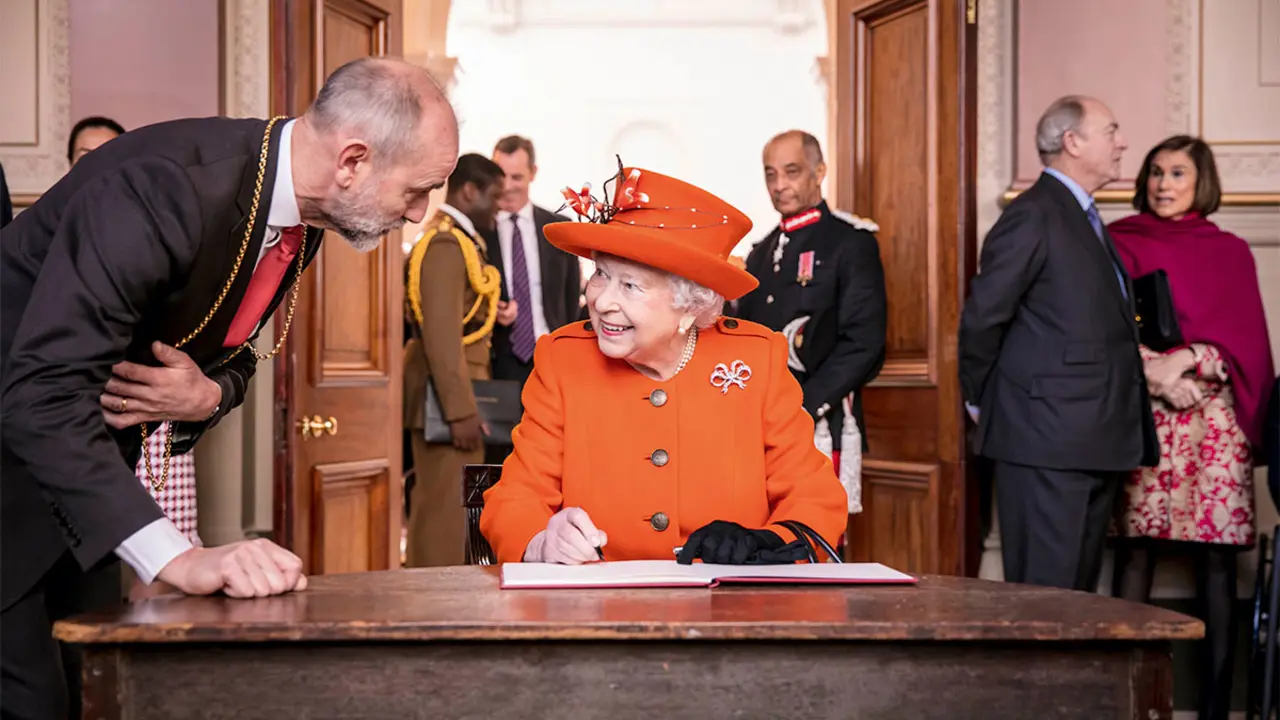
Protocol and royal etiquette management is a vital field that plays a critical role in organizing official events and facilitating communication between prominent figures. This management reflects the cultural and political traditions of countries and helps enhance relations between nations and institutions. This article explores the importance of protocol management, its key elements, the challenges it faces, and some training courses available in this domain.
Importance of Protocol Management
Protocol management plays a key role in ensuring the success of official events through several means:
- Enhancing International Relations: By organizing meetings between leaders and officials, protocols contribute to fostering international cooperation.
- Providing a Structured Framework: Protocols help establish clear rules for behavior and expectations, reducing the chances of mistakes or misunderstandings.
- Demonstrating Respect: Adhering to protocols is a sign of respect and appreciation for the attending personalities, which enhances the value of the event.
Elements of Protocol Management
Protocol management includes several essential elements, including:
- Planning: Developing a comprehensive plan that outlines all details of the event, such as venue, timing, and required resources.
- Coordination: Working to coordinate efforts among all parties involved, including governmental and private entities.
- Logistical Preparation: Ensuring that all logistical arrangements, such as catering, transportation, and technical equipment, are in place.
- Communication: Sending invitations and confirming attendance, as well as communicating with participants before and during the event.
- Execution: Managing the event during its occurrence, ensuring that all participants adhere to the agreed-upon protocols.
Challenges Facing Protocol Management
Despite its importance, protocol management faces several challenges, including:
- Cultural Diversity: Traditions and expectations differ across cultures, requiring protocol managers to be aware of these differences.
- Unexpected Changes: Last-minute changes can occur, necessitating a high level of adaptability from those in charge.
- Time Pressure: Large events often require tight timelines, increasing stress and pressure on the management team.
Training Courses in Protocol and Royal Etiquette Management
Many educational institutions offer training courses in protocol and royal etiquette management, aiming to equip learners with the necessary knowledge and skills. These courses typically include:
- Fundamentals of Protocol Management
- Protocol for Official Events
- The Art of Dealing with Public Figures
- Planning Special Events
- Effective Communication in Protocols
- History of Protocols and Traditions
- Crisis Management in Official Events
- Strategies for Organization and Coordination
- International Protocols
- Etiquette and Behavior in Official Events
Protocol and royal etiquette management is a dynamic field that requires a range of skills and in-depth knowledge. As the importance of official events continues to grow in our contemporary world, training and qualification in this area become essential to ensure the success of events and to foster relationships between nations and individuals. By acquiring the necessary skills, professionals in this field can effectively contribute to enhancing communication and understanding across different cultures.