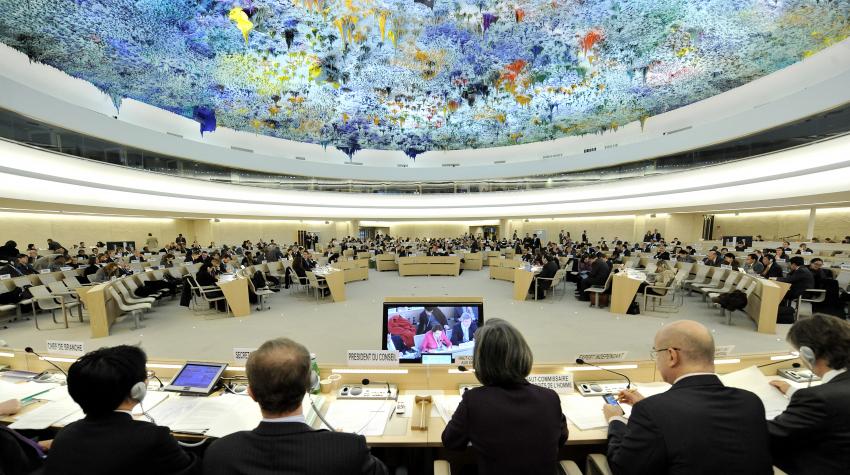
The British Academy for Training offers a range of specialized courses in International Humanitarian Law through its branch in Geneva. This field aims to protect individuals' rights during armed conflicts and establish humanitarian treatment standards for civilians and conflict parties. Geneva is home to many international organizations, such as the Red Cross and the United Nations Human Rights Council, making it an ideal location for studying and applying international humanitarian law. The academy provides professionals with a unique opportunity to receive advanced lectures from experts in international humanitarian law and engage in practical training within international organizations to enhance their practical understanding.
Importance of International Humanitarian Law Courses from the British Academy
The British Academy’s courses in Geneva cover a wide range of topics, including the rights of civilians in armed conflicts, treatment of prisoners, and protection of children and women, as well as laws related to international and non-international conflicts. These courses aim to equip participants with a deep understanding of the fundamental principles of international humanitarian law and develop the necessary skills to apply these laws in various contexts. By learning from experts specialized in international humanitarian law and participating in practical training, attendees gain a comprehensive educational experience that meets their professional needs in the field of human rights protection.
List of Training Courses in International Humanitarian Law
Here is a list of training courses offered by the British Academy for Training in Geneva in the field of international humanitarian law, covering a wide range of topics:
- Certified Course in Protecting Civilians During Armed Conflicts
- Certified Course in Laws on Protecting Prisoners and Detainees
- Certified Course in Laws of Non-International Conflicts
- Certified Course in Protecting Children in Armed Conflicts
- Certified Course in Laws Protecting Women in Conflicts
- Certified Course in Rights of Migrants and Refugees During Conflicts
- Certified Course in the Role of International Organizations in Armed Conflicts
- Certified Course in Principles of Human Rights and International Humanitarian Law
- Certified Course in Legal Protection for the Injured and Wounded
- Certified Course in the Role of the Red Cross in Conflicts
- Certified Course in Military Leaders' Responsibilities under Humanitarian Law
- Certified Course in Protecting Civilian Infrastructure During Wars
- Certified Course in Crimes Against Humanity and Accountability Mechanisms
- Certified Course in International Humanitarian Law and International Criminal Law
- Certified Course in Protecting Journalists in Conflict Zones
- Certified Course in Humanitarian Standards for Military Forces in Conflicts
- Certified Course in Monitoring Compliance with Humanitarian Law
- Certified Course in the Role of the UN in Humanitarian Protection
- Certified Course in International Conflicts and Mechanisms for Peaceful Resolution
- Certified Course in Humanitarian Interventions and Their Legitimacy
- Certified Course in International Legal Protection of Cultural Heritage During Conflicts
- Certified Course in Environmental Laws During Armed Conflicts
- Certified Course in Legal Protection for Prisoners of War
- Certified Course in Rights of Victims and Rehabilitation Post-Conflict
- Certified Course in Humanitarian Assistance and Protection Rights
- Certified Course in Rights of Internally Displaced Persons in Conflict
- Certified Course in the Role of International Courts in Enforcing Humanitarian Law
- Certified Course in International Investigations of Human Rights Violations
- Certified Course in Legal Frameworks for Peace and Reconstruction
- Certified Course in Protecting Health Infrastructure in Conflicts
- Certified Course in Humanitarian Rights of Prisoners
- Certified Course in Protecting Humanitarian Workers
- Certified Course in Legal Standards for Banning Unlawful Weapons
- Certified Course in International Procedures for Reducing Mine Threats
- Certified Course in Legal Protection from Arbitrary Detention
- Certified Course in Military Interventions for Civilian Protection
- Certified Course in the Role of NGOs in Armed Conflicts
- Certified Course in Humanitarian Laws Concerning Economic Blockades
- Certified Course in the Role of International Judiciary in Humanitarian Protection
- Certified Course in International Monitoring Mechanisms in Conflicts
- Certified Course in Rights of Survivors of Sexual Violence During Conflicts
- Certified Course in Legal Standards for Protecting Schools and Hospitals
- Certified Course in Workers' Rights During Armed Conflicts
- Certified Course in Legal Protection for Refugees and Displaced Persons
Course Content and Objectives
1. Training on Protecting Civilians in Armed Conflicts
This training program aims to enhance knowledge of the laws that protect civilians during conflicts, including basic human rights and procedures that should be taken to minimize civilian suffering.
2. Training on Protecting Rights of Women and Children
These courses cover the international laws that protect women and children in armed conflicts, focusing on providing a safe and supportive environment for these vulnerable groups during times of conflict.
3. Training on Laws Protecting Journalists and Media Freedom in Conflicts
These courses include learning about the laws that ensure the protection of journalists while covering conflict events and ways to maintain media freedom while considering security and safety.
4. Training on Protecting Cultural Heritage and Infrastructure
This training program focuses on how to preserve cultural heritage and national assets from destruction during conflicts, including the legal protection of historical sites and cultural institutions.
5. Training on the Role of International Organizations in Protecting Human Rights
This course provides an opportunity to learn about the role of international organizations like the UN and the Red Cross in protecting human rights during conflicts and methods of international cooperation.
Practical Training within International Organizations
A unique feature of the British Academy’s offerings in Geneva is practical training within international organizations, where participants have the opportunity to work within institutions that apply international humanitarian law during conflicts. This practical training allows participants to closely observe the challenges and actual practices in this field.
Benefits of Joining British Academy Training Courses in Geneva
The Academy’s courses offer numerous advantages to participants:
-
Advanced Education from International Experts: Participants receive high-quality training from experts in international humanitarian law.
-
Opportunities for Training within International Organizations: Field training enhances the practical understanding of the applications of humanitarian law.
-
Expanding Professional Networks: The courses provide opportunities to build extensive networks with professionals from different countries.
-
Receiving Globally Recognized Certification: The Academy offers internationally acknowledged training certificates that enhance participants' professional profiles.
The British Academy’s training courses in Geneva present an excellent opportunity for those aiming to develop their skills in international humanitarian law. The Academy provides comprehensive training that combines theoretical knowledge with practical experience within international organizations, allowing participants to gain a deeper understanding of global humanitarian issues and work towards innovative and effective legal solutions for protecting human rights during conflicts.