
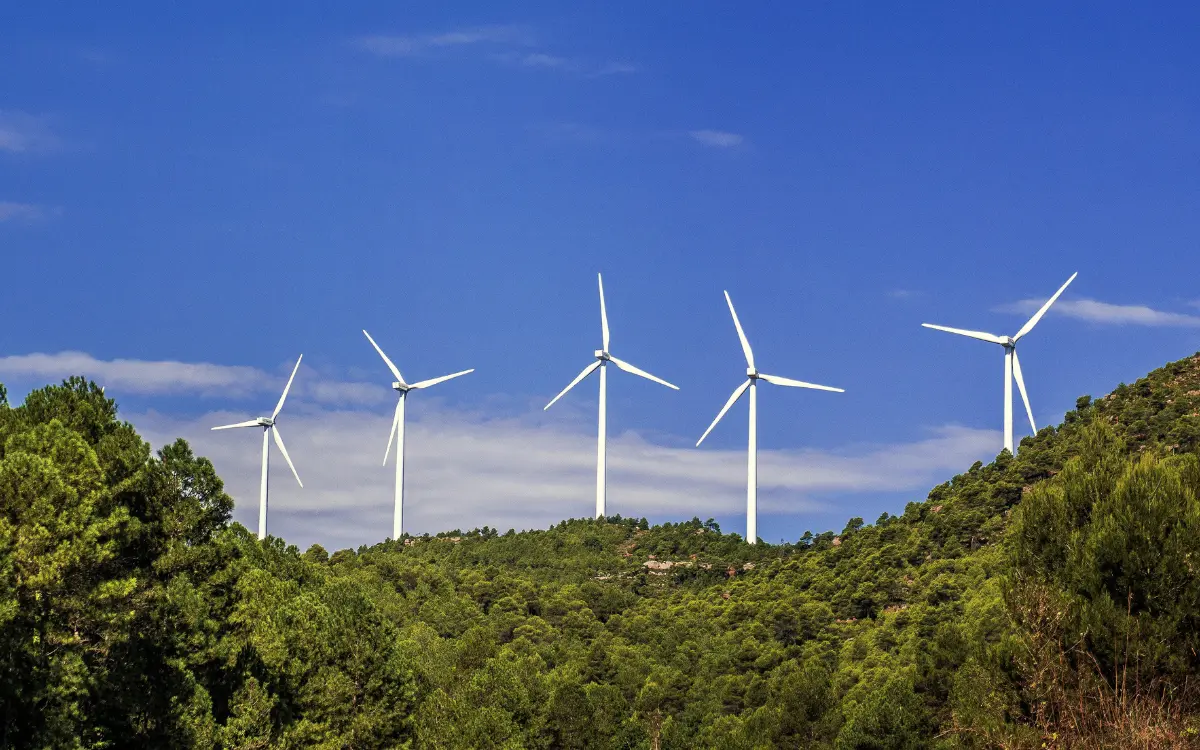
Environmental, Social, and Governance (ESG) specifications have become the core framework for decision-making for the energy sector across the globe. Given the impending and inevitable 2025, we expect energy companies to consider ESG integration more than ever before. This article gives the top ESG trends shaping the future of the energy sector.
Understanding ESG in the Energy Sector
The energy sector has heightened external scrutiny as a result of environmental impacts, human resource diversity issues, and governance practices. The principles of ESG give directions to companies on how to run businesses sustainably and through which an investor's and other stakeholders' expectations get met. By 2025, ESG will no longer be a competitive differentiator; it will be the ground cast for survival and reputation management as well.
1. Decarbonisation Acceleration
The energy sector now enters the most aggressive phase of reducing its carbon footprint as governments make commitments to net-zero goals. Leading oil and gas companies are now investing heavily in carbon capture, renewable assets, and emission-reduction technologies. By this time (2025), executives will have decoupling strategies, reporting regularly on their agendas or in discussions with investors. For professionals seeking in-depth expertise, the British Academy for Training and Development offers A Practical Guide to Hydrogen and Carbon Capture & Storage Technology course.
2. Renewable Energy Investment Boom
Renewable energy has far remained the bedrock of any ESG-aligned portfolios. Investment in solar, wind, and hydropower projects is likely to exceed that of fossil fuels around the globe by 2025. In order to meet requirements from policy and consumers alike, energy companies are diversifying portfolios in line with cleaner technologies.
3. Climate Risk Disclosure and Transparency
Regulators and stakeholders alike are increasingly demanding enhanced visibility around the financial risks that arise from climate changes. More energy firms will embrace TCFD standards in 2025. Transparency in ESG reporting will indicate outcomes on investor confidence and compliance.
4. Social Responsibility in Local Communities
Moving beyond environmental concerns, energy companies now actively engage in community welfare. Thus, from rural job creation to local infrastructure investment, these companies must show a positive social impact. In 2025, community involvement and equitable employment practices will carry a far more explicit weight in scoring ESG.
5. Diversity, Equity, and Inclusion Initiatives
Diversity and inclusion have become the paramount focus under governance and social metrics. Energy firms with inclusive leadership and diverse workforces will attract the lion's share of capital. Companies will see more transparency, targets, and accountability established in this arena starting in 2025.
6. Green Financing and ESG-linked Bonds
Capital markets are shifting towards the ESG-linked financing pathway. Green bonds, sustainability-linked loans, and ESG investment funds have gone mainstream. In 2025, companies with good ESG ratings will get easy access to capital at attractive terms, while the others might get divested.
7. AI and Big Data's Role in ESG Compliance
AI and data analytics are playing increasingly important roles in monitoring ESG performance. Predictive modelling creates opportunities for energy companies to identify climate-related risks, optimise emissions, and report accurately. In 2025, digital tools will be key to ensuring data transparency and regulatory compliance.
8. Carbon Pricing and Emissions Trading Schemes
An increasing number of countries are putting in place carbon pricing to allow internalisation of environmental costs. Energy companies must navigate emissions trading schemes (ETS), carbon taxes, and offset strategies. By 2025, strong carbon accounting methods and carbon pricing policies will be the expected order of business.
9. Circular Economy and Waste Management
Waste reduction, material reuse, and energy efficiency take centre stage in ESG strategies. The advancement of circular economy principles will gain traction in 2025. In addition to noise and vibration mitigation, energy firms will focus on operational sustainability, from preventing pipeline leakage to reusing industrial by-products.
10. Stakeholder Activism and Board Accountability
Increased shareholder and NGO pressure for stronger ESG commitments brings proxy fights and scrutiny of management to the fore. Proxy fights, ESG-based shareholder resolutions, and scrutiny of management are all on the rise. ESG accountability at the board level will be one of the main areas of governance concern for energy firms in 2025.
11. ESG Talent and Leadership Development
Business leaders who understand the impact of ESG trends on risks and opportunities for their organisations are essential. There will be an important trend in 2025 for executive ESG training and hiring sustainability specialists. Those companies investing in upskilling their workforces in ESG metrics will outperform the indices.
12. ESG Regulations and International Frameworks
Energy firms must align with the evolving ESG regulations and international frameworks as set out in the EU Green Deal, SEC climate disclosures, and ISSB standards. In 2025, compliance shall not be negotiable, and non-compliance will see companies paying dearly, with possible market exclusion.
13. Water Stewardship and Biodiversity Protection
Both factors are increasingly registering also as major ESG issues: water scarcity and loss of biodiversity. Energy operations – mining, hydropower, and drilling – have to safeguard ecosystems. By 2025, water risk assessments and impact assessments on biodiversity will be mandatory within ESG audits.
14. Technology Innovating Cleaner Energy
Innovative technologies, such as green hydrogen, bioenergy, and energy storage, are shaping new terrain in the ESG landscape. In 2025, companies investing in research and development for cleaner technologies will enjoy regulations favoured by them and recognition of monetary values within the environmental social governance realm.
15. Benchmarking in ESG and Third-Party Ratings
Investors are dependent on ESG scores from agencies like MSCI, Sustainalytics, and S&P Global. The energy firms must raise these scores through credible disclosures and third-party audits. Hence, ESG benchmarking is expected to become the standard yardstick for assessing corporate performance in the year 2025.
Future of ESG in Energy
The year 2025 will provide a crucial juncture in the process of evolving ESG within the energy sector. These non-ESG organisations will be exposed to threats from regulations, the possibility of investors exiting, and rumours of reputational harm. On the other hand, proactive organisations will engrave for themselves in the future long-term value realisation, trust, and growth. With ESG becoming the new currency of performance, this should energise speed and transparency in adapting such practices to remain relevant and responsible for energy firms.