
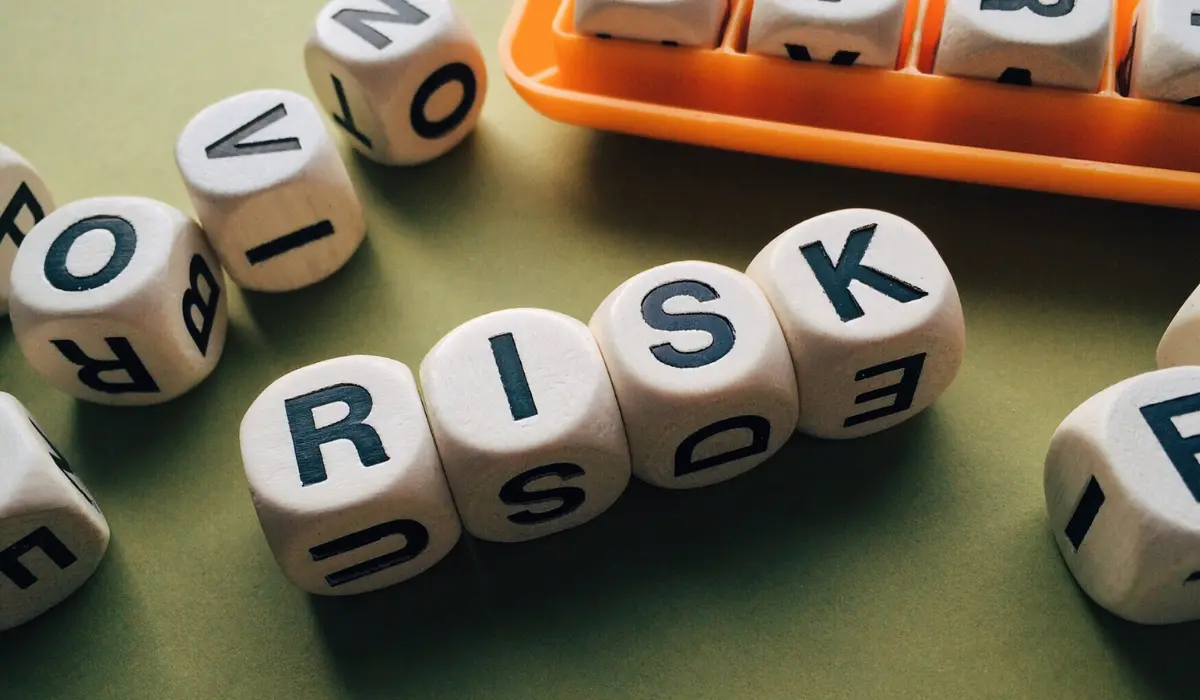
Risk management is a systematic way of identifying and analyzing the possible consequences it may face as far as adverse effects are concerned in its activities, resources, and objectives. Risk management therefore entails different types of risks such as financial risk, operational risk, strategic risk, or complying risk threat. Poor risk management approaches leave organisations fragmented, inefficient, and prepared to do business.
Companies with risk management help in reducing vulnerability, facilitating better decision-making, and securing business continuity for the organisation in question. At the same time, this proactive approach is designed to give strong protections of assets while also creating an internal culture where such assets can be quickly shifted to respond to challenges or take advantage of development potential. Well, above it, such durable risk management is crucial to further ensuring the organisation's very image.
It is very critical for organisations to practice risk management because it becomes an organised way of identifying, assessing, and mitigating the potential risks for the organisation that may affect its operations and objectives. Proactive measures in approaching risks would have not just helped protect its assets by ensuring that it meets all regulations set by the authorities but also made informed decisions for strategic planning.
The process is not only protective of the organisation's reputation but also endears the stakeholders to trust in the organisation and strengthens the organisation against unforeseen but sudden incidents and ultimately gains on cost and competitive edge over others. Quite so in this dynamic environment, risk management becomes a very crucial instrument for survival, let alone long-term success and achievement of organizational goals.
It is observed that risk management typically involves several formal processes within an organisation. Those include:
Identifying risk then involves awareness of all events that could potentially have an affect on the organisation. Typical techniques include brainstorming sessions, surveys, historical data analysis, and the like for exposing different types of risks, including financial, operational, strategic, and compliance threats.
After risk identification, all risks are then evaluated for the potential impact that these might have on the organisation and likelihood of occurrence. This process includes analyzing the degree of severity for every risk and prioritizing its consequences against those of other risks.
The Introduction to Risk Management course gives the basic principles and practices needed for all the different ways to manage risks in an organisation. It is important for participants to know about risk identification, risk assessment, and mitigation strategies for understanding the importance of risks in relation to business goals and decision-making. The course is delivered through theoretical knowledge along with examples taken from the field above.
From the get-go, all businesses should clearly identify all the possible risks that can occur during the on-going project activities. These 6 measures of the risk management process have been put on record as the way you can survive under all risks:
Identifying risks is everything that will be looking into what possible threats it could bring to set objectives for the organisation. That can also include brainstorming sessions, interviews, and helping firsthand with past incidents to expose more possible risks. Effective identification lays a complete foundation for a risk management plan.
After risks have been identified, the next step involves analysing their potential impacts and likelihoods. This examination is critical for understanding the extent and consequences of each risk on the organisation. Many methods, from SWOT analysis to risk matrices, may be used for categorizing and prioritizing the numerous kinds of risks.
Risk assessment can be defined as the determination of the probability and impact of all possible risks identified for the purpose of determining total significance. Measured risk can either be qualitative, such as rating scales, or quantitative in form, like financial terms; for effective decision-making and resource allocation, measured risk is a precondition.
Organisations gauge the risk management strategies and come up with an acceptable response as per their analysis at this stage.They are acceptance, mitigation, transfer, or avoidance of risks. This is all about establishing a risk plan appropriate for the organization with respect to its appetite and objectives in risk matters.
Dealing with risk means operationalizing the selected risk management strategies and assigning specific responsibilities to the appropriate stakeholders. By doing so, these individuals or teams can be made responsible for risk management. Clear assignments also help with the effective implementation and monitoring of the risk mitigation plan.
The continuous monitoring of risks is another assurance that the mitigation measures are still relevant and effective.It means continuously assessing exposure to risks as well as monitoring changes while determining whether the actions put in place were effective. Such monitoring will enable the organisation to adapt to new risks and fine-tune its processes over time.
In short, risk management is essential in any organisation that wishes to protect its assets, manage its compliance, and improve decision-making in a world beset by increasing complexity and ambiguity. With systematic identification, analysis, and monitoring of risks, organisations can not only transform threats into opportunities for growth and resilience but also sustain their continued engagement in a changing world. Membership of the British Academy of Training and Development also offer courses on their principles and processes of risk management for the development of that particular professional to possess the skills needed to traverse the complexity found within the modern business environment.
Establishing a good framework of risk management for an organization could protect its assets and comply with regulations, supporting such an organization, in the higher body point of view, for informed decisions in doing things, and, eventually, make it successful in the long run.
In processes that make up typical risk management, risks are identified; analysing what they possibly can do should they occur; risk measuring in terms of significance; analysing them based on if they are response evaluated and treatments applied; accorded with responsibility and monitoring.
Some of the methods used by most organisations to identify risks include brainstorming sessions, interviews, analysis of historical data, and a belated understanding of current trends in an industry as sources of potential threats.
Risks can be analysed qualitatively (by different rating scales) as well as quantitatively (using risk matrices or financial modeling that measures the probabilities and effects of risks).