

Project Management Office (PMO)
Course Content
- PMO Concepts and Organizational Role
- Definition, evolution, and importance of the PMO within organizations.
- Differences between project, program, and portfolio management and their respective roles.
- The PMO’s contribution to strategic objectives and efficient resource utilization.
- PMO Types and Organizational Structures
- Characteristics and functions of supportive, controlling, and directive PMOs.
- Criteria for selecting an appropriate PMO structure based on organizational size and needs.
- Defining authority, responsibilities, and relationships with senior management and project managers.
- Project Governance and Organizational Policies
- Governance principles, accountability, and decision-making authority.
- Developing standardized policies and procedures for project management.
- Project approval, prioritization, and compliance with organizational standards.
- Project Management Methodologies and Tools
- Traditional, agile, and hybrid methodologies and their applications.
- Developing standardized templates for plans, schedules, and performance reports.
- Document management, information control, and change management throughout the project lifecycle.
- Planning, Resource Management, and Budgeting
- Defining project scope, developing schedules, and estimating costs.
- Planning and allocating human and material resources according to priorities.
- Monitoring budgets and analyzing financial deviations from approved plans.
- Risk, Quality, and Change Management
- Identifying risks and assessing their likelihood and impact on project outcomes.
- Developing risk response plans and monitoring corrective actions.
- Applying quality standards and controlling changes to meet defined requirements.
- Performance Monitoring and Management Reporting
- Defining key performance indicators to measure project progress and efficiency.
- Preparing dashboards and periodic reports to support management decisions.
- Analyzing schedule and cost deviations and determining appropriate corrective actions.
- Portfolio Management and Strategic Alignment
- Prioritizing projects according to strategic objectives and expected benefits.
- Coordinating programs and allocating resources according to organizational needs.
- Tracking benefits and measuring progress toward intended outcomes.
- Establishing and Developing a PMO
- Defining the PMO’s organizational structure, service scope, and responsibilities.
- Preparing an establishment plan and identifying the resources and systems required for operation.
- Organizing services, procedures, and coordination mechanisms across departments.
- Maturity Assessment and Continuous Improvement
- Assessing project management maturity levels and overall PMO effectiveness.
- Measuring service efficiency and compliance with approved methodologies.
- Developing improvement plans to strengthen governance and enhance project outcomes.
Overview
The British Academy for Training and Development offers this training program in "Project Management Office (PMO)", designed to strengthen participants’ ability to establish and manage project management offices that support organizational objectives.
The program covers the office’s organizational role, governance frameworks, standardized project management methodologies, performance monitoring, resource allocation, and risk management. It also examines the relationship between the PMO, executive management, and project managers, emphasizing effective coordination across initiatives and the efficient use of available resources. Participants will explore different PMO structures, performance indicators, management reporting, and operational procedures that contribute to organizational maturity and improve project delivery. Particular attention is given to aligning project scope, schedules, costs, and quality requirements with institutional priorities and strategic goals.
Objectives & Target Group
Who Should Attend?
- Project, program, and portfolio managers responsible for planning, implementation, and performance monitoring.
- PMO managers and professionals responsible for establishing offices and improving their operational procedures.
- Strategic planning and operations managers involved in aligning projects with organizational objectives.
- Risk, quality, resource, and performance management specialists involved in monitoring project delivery.
Knowledge and Benefits:
After completing the program, participants will be able to master the following:
- Explain the role of the PMO in achieving organizational objectives and improving project delivery.
- Distinguish between PMO structures and select the model that best fits organizational requirements.
- Develop governance policies and standardized procedures for managing project activities.
- Improve performance, resource, and risk monitoring through effective indicators and management reports.
- Prepare development plans that strengthen PMO capabilities and improve the delivery of organizational initiatives.
What You'll Learn
The program covers the office’s organizational role, governance frameworks, standardized project management methodologies, performance monitoring, resource allocation, and risk management. It also examines the relationship between the PMO, executive management, and project managers, emphasizing effective coordination across initiatives and the efficient use of available resources. Participants will explore different PMO structures, performance indicators, management reporting, and operational procedures that contribute to organizational maturity and improve project delivery. Particular attention is given to aligning project scope, schedules, costs, and quality requirements with institutional priorities and strategic goals.
Similar Courses
See All £3800
Luxury Retail and High Value Client Training Courses
Management £3800
Retail Technology Adoption and Artificial Intelligence Training Courses
Management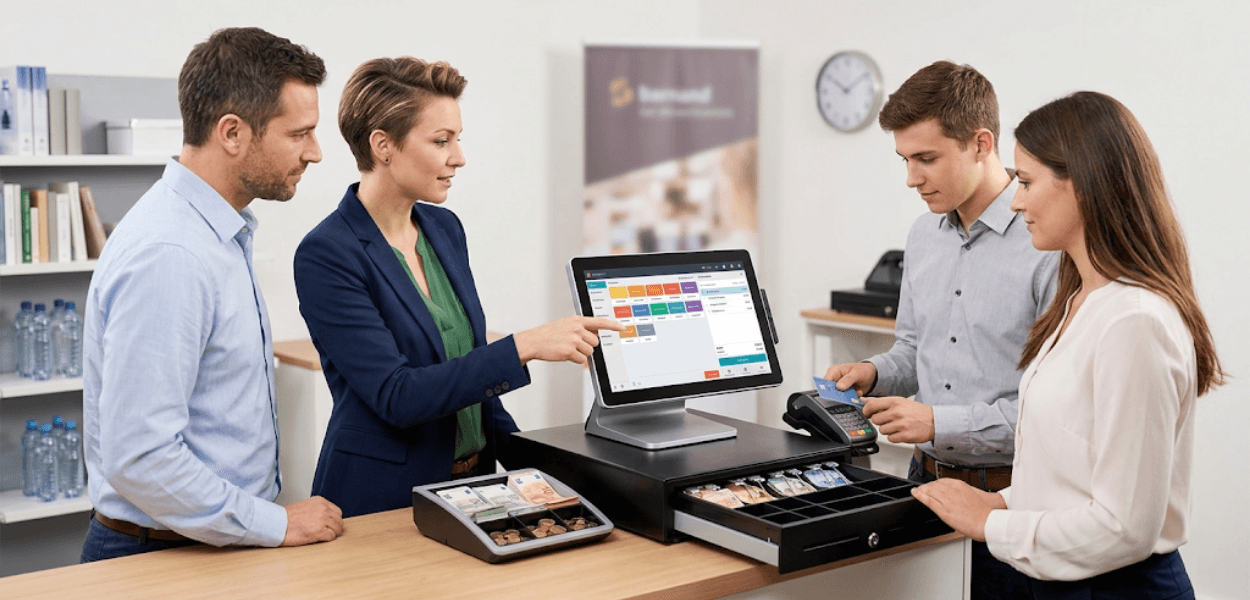 £3800
Point-of-Sale Systems and Cash Handling Training Courses
Management