
Blog Posts
All Categories
Latest Posts
Super Admin
.8 months agoQuality control in municipalities boosts service efficiency, citizen satisfaction, transparency, and innovation for effective, sustainable performance.

Super Admin
.8 months agoDigital transformation in municipalities enhances efficiency, service quality, transparency, and faster citizen response through innovative, sustainable solutions.

Featured Article

Latest Articles
Quality Control in Municipal Services
Quality control in municipalities boosts service efficiency, citizen satisfaction, transparency, and innovation for effective, sustainable performance.
Digital Transformation in Municipalities
Digital transformation in municipalities enhances efficiency, service quality, transparency, and faster citizen response through innovative, sustainable solutions.

Crisis Management in Municipal Work
Municipalities face increasing pressure due to the complex nature of urban communities and the rise of sudden environmental, social, and economic risks.

Developing Municipal Competencies Through Training
In the modern era, administrative competencies in municipalities have become one of the most important factors for achieving sustainable local development.

Financial Management in Municipalities
Financial management in municipalities is one of the fundamental pillars that determine the ability of local institutions to deliver effective services and achieve sustainable development.
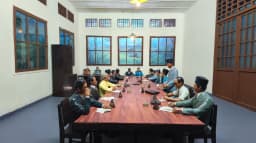
Governance in Municipalities
Municipal governance enhances transparency, accountability, and service quality through effective management, digital transformation, and sustainability.

Municipal Leadership and Its Role in Local Development
Effective municipal leadership drives sustainable development, improves services, fosters innovation, community engagement, and digital transformation.

Modern Municipal Management and Improving Service Quality
In our contemporary world, where economic, social, and technological changes are accelerating, modern municipal management has become a central focus to ensure the delivery of integrated, high-quality services to citizens.

Assessing Institutional Readiness for Disaster Response
Disasters in the modern era are no longer exceptional events or distant possibilities; they have become an integral part of the operational environment in which institutions of all types and sizes operate.

How to Manage Crises in Municipalities
Municipalities serve as the first line of defense in responding to crises that directly affect citizens’ daily lives, whether these are natural disasters like floods and earthquakes, service disruptions such as infrastructure failures, health or environmental emergencies, or even limited social and security crises.

Corporate Communication During Crises: A Pillar of Trust and Continuity
In today’s global environment, characterized by instability and rapid change, crises are no longer occasional events—they have become a constant factor that organizations must contend with, whether they are health, economic, technological, or reputation-related crises.

Successful Global Models in Disaster Management
In a world witnessing an unprecedented rise in the scale of natural disasters and health and environmental crises, disaster management has become one of the most pressing issues on national and international agendas.

Lessons Learned from Major Crises
Major crises are no longer temporary exceptional events that can simply be overcome with time. Instead, they have become a constant feature of the global reality experienced by institutions, societies, and individuals alike.

How to Build Emergency Management Teams?
In a world experiencing unprecedented acceleration of events and a continuous increase in the scale and complexity of risks, emergencies are no longer rare exceptional situations.

What is Strategic Planning for Long-Term Crises?
Crises are no longer merely sudden events that can be handled through immediate response; they have increasingly become long-term situations that may extend for months or even years.

Risk Management as an Integral Part of Crisis Management
In today’s rapidly changing world, with increasing instability across economic, political, health, and technological domains, crises have become a persistent feature of the institutional work environment.

Leadership in Times of Crisis: Critical Skills
In an era where crises occur in rapid succession and challenges intersect across economic, health, organizational, and political levels, leadership is no longer a traditional concept associated merely with task management or rule enforcement.

The Role of Governance in Reducing the Impact of Crises
In today’s world, full of challenges and rapid transformations, crises have become an unavoidable part of organizational reality—whether economic, health-related, environmental, or social.

Crisis Management in Organizations: A Comprehensive Guide
In an era of rapid economic, technological, and social changes, crises have become a daily reality for organizations of all types. Crises are no longer rare events; they have become part of the organizational lifecycle, sometimes appearing as operational failures, financial crises, media attacks, or even human-centered challenges affecting employees directly.

Proactive Disaster Management Planning
In a world witnessing an escalation of natural, technological, and human-related risks, dealing with disasters is no longer a postponed option or an emergency reaction; it has become a strategic necessity for every organization seeking continuity and stability.

The Role of Training in Enhancing Organizational Readiness
Organizations today face a complex work environment where economic challenges, technological changes, operational risks, and human pressures intersect.

How Can Organizations Achieve Post-Crisis Recovery?
In a rapidly changing world, crises are no longer fleeting events that pass over organizations without impact. They have become a true test of an institution’s ability to withstand and adapt to ongoing challenges.

Digital Transformation in Crisis Management
Today, the world is witnessing an unprecedented acceleration in the pace of changes and transformations, making crises more complex and impactful on institutions of all types.

How to Make Rationalization a Path to Sustainable Effective Investment
Amid increasing economic pressures and the challenges of managing limited resources, it has become essential for institutions to adopt an integrated strategic approach that links expenditure control with maximizing the value of available resources.